Dive Bars and Barrier Reefs: Chasing Sharks and Stories in San Pedro
Shark Alley Ambergris Kaye, Belize
Touching Down in La Isla Bonita
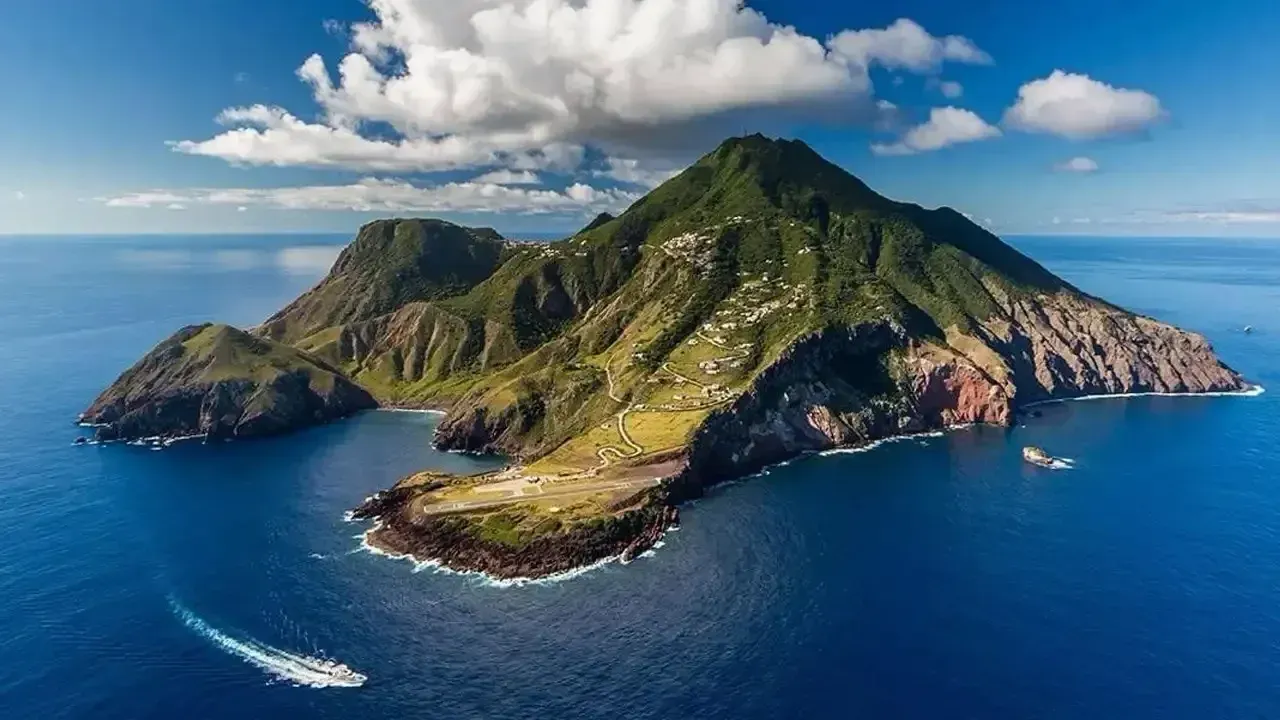
Palm fronds sway over the white sand and turquoise water as I arrive at Ramon's Village, a lush haven on Ambergris Caye. Stepping off the tiny propeller plane onto San Pedro's minuscule island airstrip, I feel the warm Caribbean breeze hit my face. The approach by air is exhilarating - just minutes before landing, we skim low over a kaleidoscope of blues where the Mesoamerican Barrier Reef snakes along Ambergris Caye's coast. From my window seat I spotted waves breaking on the reef crest and patches of bright coral shallows inside the lagoon. With a gentle thud, we touch down and taxi to the "terminal" (a single-story open-air shack). In true Belizean fashion, a friendly attendant hands me my bag right on the tarmac, and I'm soon hopping onto a golf cart taxi for the short ride into town.
San Pedro immediately charms me with its quirky traffic jam of golf carts and scooters. There's not a traffic light to be found. No big cars, no honking - just the gentle hum of electric carts and the laughter of vacationers. I'm charmed instantly. My home base for the week is Ramon's Village Resort , a long-established dive resort on San Pedro's southern end. As a dive travel veteran who has stayed in all manner of dive lodges, but Ramon's has a special retro-island vibe. The legendary founder, Ramon Nunez , is a San Pedro native and one of Belize's pioneering divers - I've heard he's often around the resort, spinning tales for guests. I make a mental note to seek him out later. For now, the call of the reef is impossible to resist.
First Descent: Ambergris Caye's Underwater World
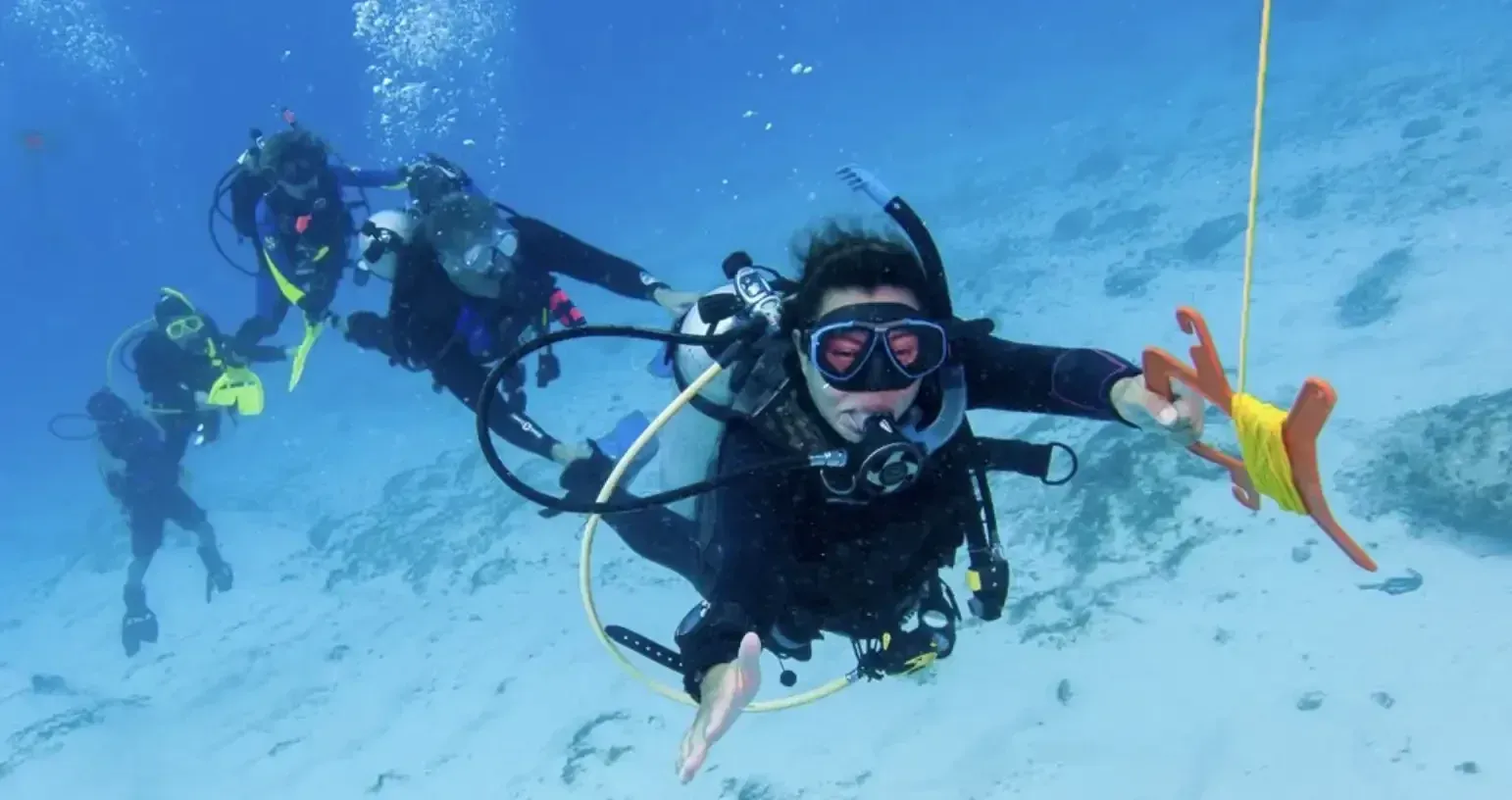
Early the next morning, I stroll down Ramon's long wooden pier to their dive shop as the sun rises fiery orange over the Caribbean. The water is bathwater warm and gin-clear - I can literally see schools of yellow sergeant major fish milling under the dock. Our small dive boat is loaded up and the crew gives me a hearty welcome. As a long-time dive pro, I quietly assess the operation - well-maintained gear, safety-oriented briefings, and easy camaraderie. We motor just 10 minutes from shore to Hol Chan Marine Reserve , the island's signature dive site. "Hol Chan" means "little channel," referring to a natural cut in the reef that forms an underwater corridor. This protected area is famed as Belize's second most popular snorkel and dive spot, and it's easy to see why: the reef here is part of a UNESCO World Heritage Site, home to thousands of fish and healthy corals.
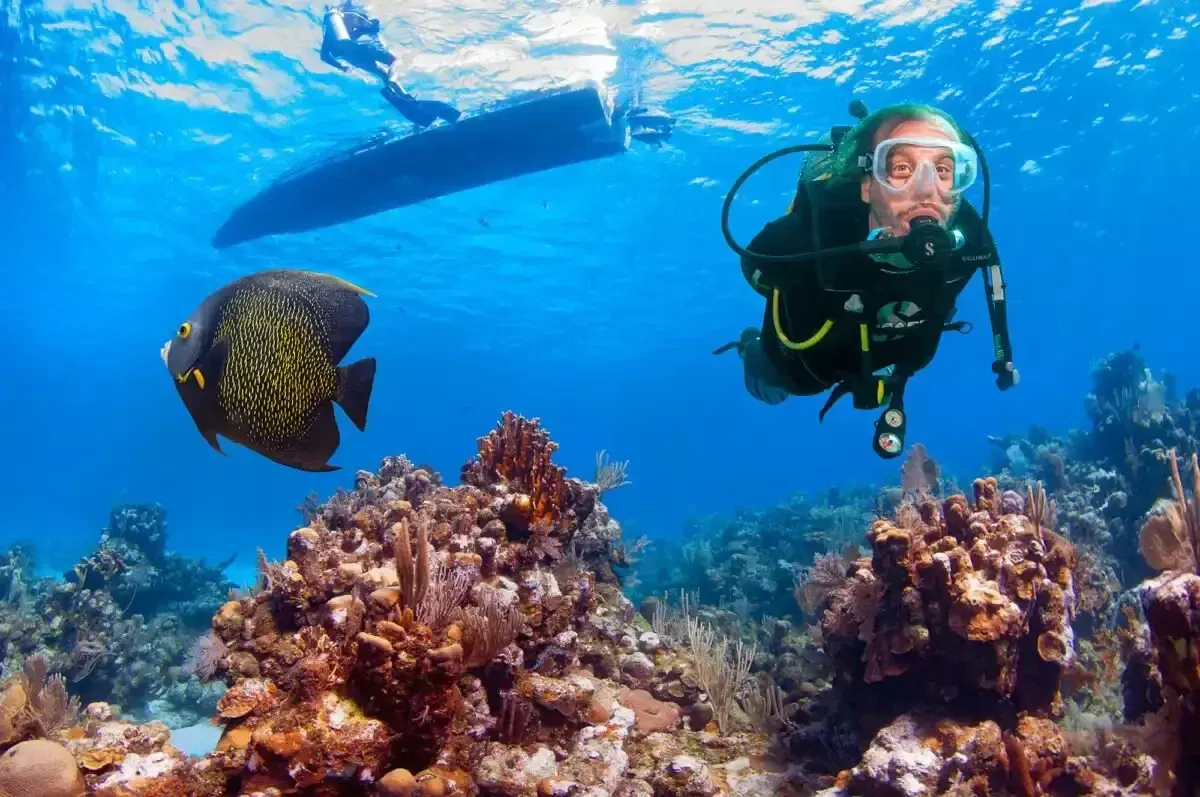
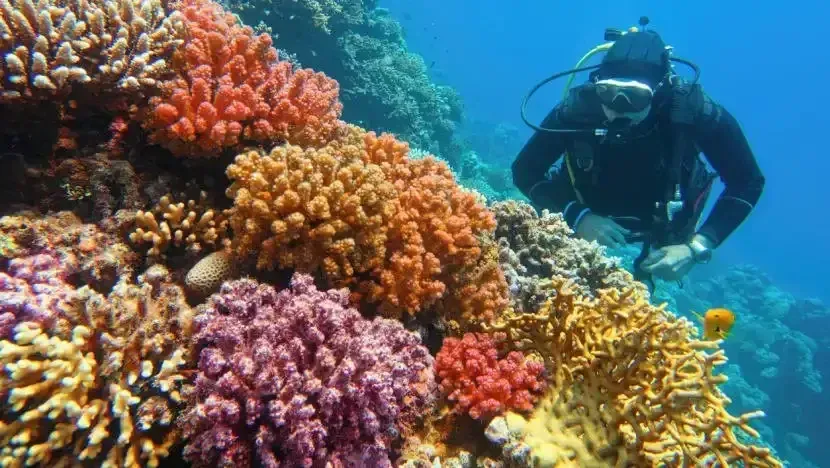
Backrolling into the crystal-clear abyss , I feel that familiar thrill as bubbles cascade around me. We descend to about 30 feet (9 m) - Hol Chan is relatively shallow, which means brilliant light and long bottom times. Right away, a parade of marine life greets us. A juvenile green turtle paddles lazily by, unconcerned with our presence. I spot a squadron of southern stingrays half-buried in the sand, stirring up puffs of silt as they glide off. Purple sea fans sway in the mild current, and brain corals host Christmas-tree worms that retract as I approach. It's clear this reef isn't the most untouched or explosive I've seen in my global travels - some coral heads bear the marks of past storms or a bit of bleaching - but it's vibrant in its own way. The sheer abundance of fish is impressive: blue tangs schooling in the dozens, stoplight parrotfish crunching algae, and even a sly moray eel peeking from a crevice.
Halfway through the dive, I'm focusing my camera on a feathery hydroid when I hear the distinctive echoing clicks and whistles that only one creature makes: dolphins. A pod of Atlantic spotted dolphins sweeps into the channel, darting through our bubble streams with playful abandon. Every diver freezes in place as these sleek animals spiral around us, seemingly delighted by our presence. I hold as still as I can, and one dolphin circles within arm's reach, regarding me with a keen, intelligent eye. In a flash, the pod moves on into the blue, gone as quickly as they appeared. The encounter leaves me grinning ear to ear into my regulator. Even after thousands of dives worldwide, a surprise like this reminds me why I love the ocean - it always holds a new delight.
Throughout the dive, our guide points out camouflaged critters I might have missed - a small nurse shark dozing under a ledge, and a pair of splendid toadfish (endemic to Belize) hiding within tube sponges. By dive's end, I'm impressed with Hol Chan. No, it's not the most jaw-dropping coral garden in the world , but it offers gentle conditions, fantastic sea life , and a relaxed beauty that's perfect for enjoying the moment. We slowly ascend, and I notice the sunlight above is dappling the surface - time for a break in the tropical sunshine.
Surface Interval at Shark Ray Alley
Back on board, everyone is animatedly chatting about the dolphin encounter. We decide to spend our surface interval at a spot just a short boat ride away that I've been eager to visit: Shark Ray Alley . This sandbar in the shallows has become famous over the years for a rather unusual congregation of marine life. The scene that unfolds is straight out of a NatGeo documentary: dozens of nurse sharks circling below like curious puppies. Several southern stingrays sweep in, their wide wings undulating. It's a frenzy of activity, but surprisingly graceful. The nurse sharks, some 4-6 feet long, weave around us calmly; one bumps gently into my fins, then darts off. These sharks are completely docile and used to humans, yet my pulse quickens at the sheer proximity of so many apex predators-turned-pussycats. A couple of bold loggerhead turtles also join the party, likely attracted by the commotion. I float on the surface, astonished and delighted as a swirl of marine life moves beneath me. The experience is tinged with touristy flair , sure - it's essentially an artificial congregation brought on by habit - but I can't deny the childlike excitement bubbling up in me. There's something magical about locking eyes with a shark in its own environment. I dive down briefly to swim alongside a particularly large nurse shark, running my eyes along its powerful form. A warm welcome from the sea. It's a perfect interlude between dives. As we munch on fresh pineapple slices and sip water, I soak in the surroundings: the sun is high and hot, glinting off the cerulean water, and laughter bounces around the boat as everyone relives their favorite moments. This is what a surface interval should be - not just a wait to off-gas nitrogen, but a chance to embrace the environment in a different way.
Refreshed and buzzing with energy, we gear up for our second dive of the morning at a nearby patch reef. It yields more treats - an eagle ray gliding past in the blue, and an encounter with a nurse shark underwater (likely one of our new friends from Shark Ray Alley following us out). By the time we head back to San Pedro for lunch, I've logged two satisfying dives and one epic snorkel, and it's not even noon.
Island Afternoon: Tacos, Siestas and Strolls
Diving in warm water has a way of making you deliciously hungry and lazy afterward. Once back on shore, I make a beeline for a local taqueria near the central park for tacos and washed down with ice-cold limeade. The simple food in Belize just hits the spot after a dive.
Meal finished, I give in to the island pace and retreat to a hammock by the beach at Ramon's. The palm fronds rustle overhead and the distant sound of reggae music drifts on the breeze from a beach bar down the shore. Swaying in the hammock, I'm lulled into a blissful nap within minutes. There's something to be said for a place where you can dive all morning and snooze under a coconut tree all afternoon without a care in the world.
Later, I take a leisurely walk around San Pedro town. Colorful clapboard houses line the sandy roads, many converted into cafes, shops, or small inns. I peek into a few art galleries featuring local Garifuna and Maya-inspired paintings. Children in school uniforms giggle their way home, and I exchange smiles with locals sitting on their porches. Despite being Belize's most popular island, San Pedro still feels like a tight-knit community. Everyone seems to know everyone, and visitors are folded into this warmth almost immediately. I notice that many buildings sport signs with fun slogans like "No Shirt, No Shoes, No Problem" and the island's nickname "La Isla Bonita" (made famous, of course, by the Madonna song which locals are both proud of and a tiny bit tired of hearing). Every few minutes, a golf cart hums by, sometimes carrying a family in beachwear, other times a couple of tank-topped tourists lost in the grid of little streets. There are very few cars here; golf carts truly rule the road. It's a novelty that never gets old during my stay - in San Pedro, even the "traffic" puts a smile on your face.
The Call of the Fire Hearth - Dinner at El Fogon
By evening, my appetite has roared back, and I already know where I'm headed: El Fogon , my favorite San Pedro restaurant discovered on day one. "El fogón" means the fire hearth in Spanish, and this unassuming eatery truly lives up to its name. Tucked on a side street in town, El Fogon is basically a large sand-floor shack with an open-air kitchen in back, where everything is cooked over wood fire. The smells alone are enough to draw you in from half a block away. On my first visit earlier in the week, I'd had the stewed chicken - tender, slow-cooked with achiote and spices, served with rice and beans, and a scoop of potato salad on the side. It was so good I came back the next day for lunch and again for dinner! Now, as a semi-regular in the span of a week, I feel a bit like family; the waitress even remembers my name and asks how the diving went today.
Tonight I'm craving seafood. I order the conch fritters to start - a house specialty that local friends insisted I try. They arrive golden-brown and crispy, packed with flavorful conch and herbs, with a spicy mayo dip. One bite and I understand why there's a fan club for these fritters (some say they're the best on the island, and I'm inclined to agree). For the main course, I go with a bowl of traditional Belizean fish stew , loaded with snapper, root vegetables, and coconut milk, all simmered over the wood fire for hours. As I dine, a gentle island breeze wafts through the open windows, and the sounds of distant live music and laughter filter in. El Fogon has no pretension - plastic chairs, paper placemats, and big portions of honest food - and that's precisely why it's magic. I finish the evening with a Belizean rum punch for dessert. There's a delightful mix of tourists and locals here, all laughing and swapping stories over dinner. The atmosphere is convivial - by the end of the night, I've joined a table of fellow divers from Canada at the bar, and we toast to a great day underwater. In San Pedro, it seems, strangers become friends easily , especially when bonding over a shared love of the sea (and good food).
After-Dark Adventures: Night Dive Thrills
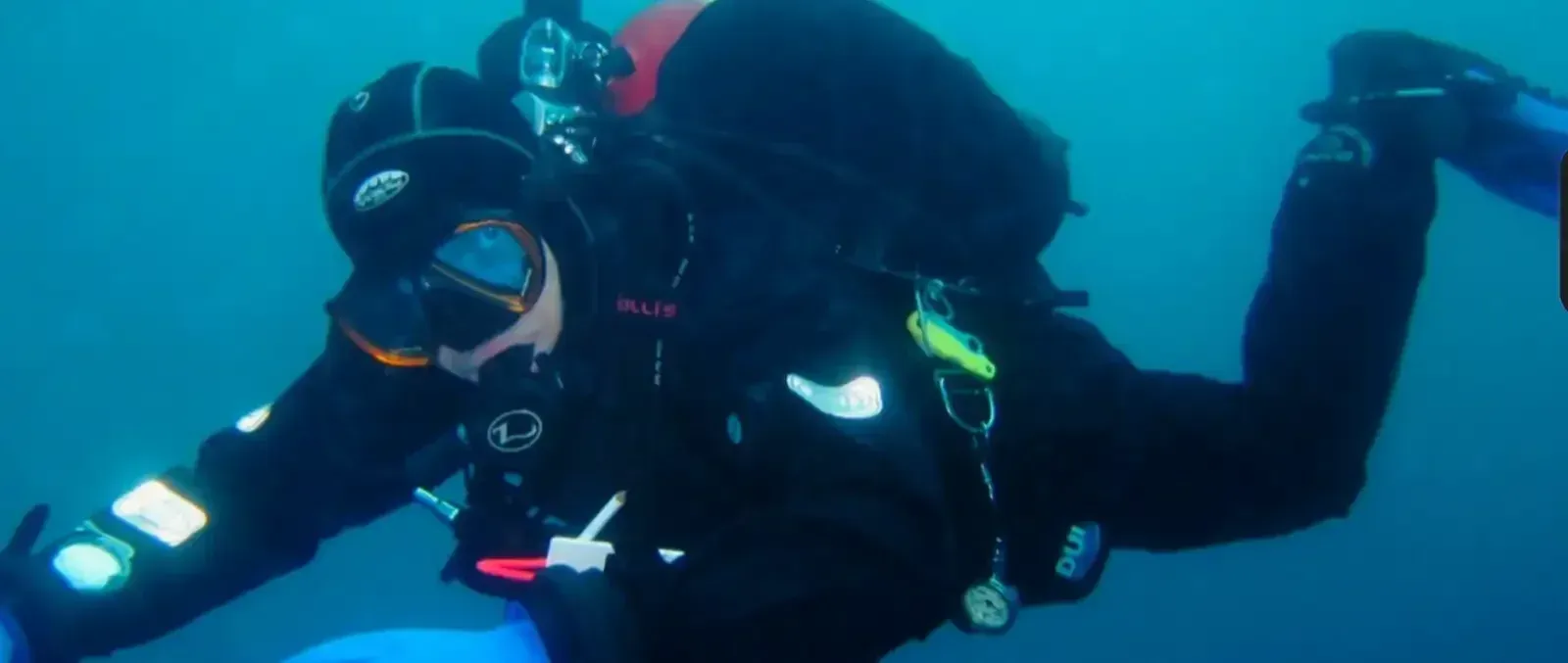
One of the highlights of my trip is a spontaneous night dive back at Hol Chan Marine Reserve. After hearing my enthusiastic review of the marine life, a couple of other experienced divers at Ramon's Village are keen to go see it after sunset. The dive shop organizes a guide and boat for us, and just after twilight we find ourselves gearing up under a star-studded sky. The island's lights twinkle in the distance as we backroll into inky black water , our dive lights slicing through the darkness. Descending at night always feels like entering a different realm, and Hol Chan delivers. Large tarpon - those silver torpedo-shaped game fish - haunt the channel; these silver giants shadow us, using our beams to ambush smaller fish attracted to the light. It's a clever hunting tactic I've seen before, and sure enough, we witness a tarpon swoop in to swallow an unlucky grunt illuminated by a diver's torch. We hover over the sand flats and spot numerous southern stingrays cruising, more active than in daytime. I nearly clap with glee when our guide's light falls upon an octopus creeping out of its lair. The octopus is mid-hunt, tentacles exploring crevices for a midnight snack. It suddenly flashes a camouflaging pattern and jets away, leaving us amazed at its quick change artistry. Moments later, a second, larger octopus is seen curled on a coral head - two octopus sightings on one dive, a rare treat!
As an experienced diver, I've done my fair share of night dives, but there's something uniquely enchanting about this one. The current is gentle, the depth shallow (~20 feet), and the bioluminescence is on full display. At one point we all turn off our dive lights at our guide's signal, and the darkness becomes alive with sparkling blue-green specks - bioluminescent plankton glowing like fireflies with every movement of our fins. I sweep my hand through the water and it leaves a trail of light. Above the surface and the sea begins; both are speckled with tiny lights.
The dive continues as we slowly make our way along the reef's edge. A Caribbean reef lobster waves antennae at us from under a ledge, and nearby a pair of red glowing orbs reveals a Spanish slipper lobster trudging along the bottom. We encounter a large spiny pufferfish calmly sleeping in a nook (adorable!), and a feisty yellow stingray that nearly darts between my legs. One of my favorite moments is when a huge channel grouper decides to tag along, practically becoming part of our dive team. He follows right beside me for a good 10 minutes, hoping my light will betray more snack-sized fish. I chuckle into my regulator - it's like having a big underwater dog at my side.
By the time we ascend, I'm exhilarated. The night air feels extra warm as we climb back on the boat, everyone talking over each other about what we saw. Floating there, we take a moment to gaze at the land - the glow of San Pedro's shoreline is a reminder that another world is just meters away. Seeing it at night brought a whole new dimension of magic. It's like peeling back a layer and discovering a secret nightlife under the surface. Belize has truly shown me two different faces of its reef, both equally captivating.
Rum Punch and Reggae: San Pedro Nightlife
After our night dive, we rinse off and decide to see what San Pedro's nightlife is all about. Despite being pleasantly tired, the island's welcoming energy draws me out. We stroll down to the beachfront where a string of open-air bars beckons with twinkling lights and the sound of reggae and Latin music. San Pedro isn't a party-hard destination in the way of big tourist towns - by midnight things quiet down - but in the evening hours it certainly has a playful pulse. Our first stop is a beach bar where a Garifuna drum band is playing upbeat Punta music, hips swaying everywhere on the sand dance floor. With a Belikin beer in hand (the local brew), I find myself dancing barefoot alongside locals and fellow travelers, grinning like an idiot. The Punta rhythm is infectious and impossible to resist. Next, on a whim, we wander into a local bar hosting the legendary "Chicken Drop" - a tradition that's part bingo, part comedy show, involving a live chicken and a numbered grid on the floor (yes, it's as absurd and amusing as it sounds). I join the spectators cheering and groaning as a rather confused chicken eventually "selects" a winning number in, well, natural fashion. It's impossible not to laugh at the ridiculousness of it all. A bit later, we pop by Palapa Bar & Grill , an iconic tavern perched on a dock over the water. Strings of lights reflect on the sea as we sip tropical rum cocktails. I strike up a conversation with a couple from Texas celebrating their 100th dive - they rave about their Blue Hole trip (something I've saved for another time) and we clink glasses to honor dive milestones.
Throughout the night, I keep noticing how friendly and easygoing everyone is. San Pedro at night feels safe and convivial - you end up saying hello to people you recognize from the dive boat or the hotel, and soon a pub crawl turns into a group outing of newfound friends. There's a communal spirit here that I think comes from sharing extraordinary experiences - the reef, the wildlife, the island itself - and wanting to celebrate them. In San Pedro, the days are filled with the thrill of the dive, and the nights remind you that you're in the Caribbean - a place that knows how to celebrate life in every sense.
A Chat with a Legend - Meeting Ramon
On my last full day, I have the chance to meet the man whose name has been all over my San Pedro experience: Ramon Nunez , the original founder of Ramon's Village. I spot an older gentleman with an effortless island swagger walking the resort grounds mid-morning, greeting staff and guests alike. He's wearing a faded t-shirt with a dive flag on it, and there's a mischievous twinkle in his eye. It can only be Ramon. Summoning some courage (even as a dive industry veteran, I admit I was a bit star-struck), I introduce myself. Ramon breaks into a warm smile and clasps my hand. Before I know it, we're sitting in the shade of a coconut tree by the beach, and he's regaling me with stories from "back in the day."
Over an impromptu chat, Ramon shares how he first guided Jacques Cousteau's team to the Blue Hole. Ramon humbly recounts how he led Cousteau's team through the Blue Hole's depths and around Lighthouse Reef. I realize I'm sitting next to a living legend - a piece of dive history personified - listening to him describe Jacques Cousteau's astonishment at Belize's underwater caves. For a dive geek like me, this is pure gold.
Ramon also shares local folklore and a slice of San Pedro's transformation. He points to where the first hotel on the island stood (long gone now) and describes surviving Hurricane Hattie in 1961, which flattened the caye. "We rebuilt from nothing but our spirit," he says softly, gazing at the horizon. He jokes about how he started Ramon's Village in the early 1980s almost by accident - he showed some visiting Americans a prime beach spot and next thing he knew, he was managing a resort named after him. Though he sold the resort years ago, it's clear this is still his baby , and he spends plenty of time here chatting with guests and staff. I hang onto every word, simultaneously charmed and humbled. At some point he asks about my own diving adventures, and I find myself sharing a story of an unexpected whale shark encounter I had on a dive trip. We end up laughing like old friends when he tells a humorous story of a guest who panicked seeing a harmless nurse shark and climbed up the boat ladder without her bikini bottoms (left in the shark's mouth - "Don't worry, the shark spit them out!" he chuckles). As we part, Ramon gives me a firm handshake and says, "Keep diving and share our Belize waters with the world." That simple blessing feels profound. Meeting Ramon was the cherry on top of this trip - a connection to the soul of San Pedro and its dive heritage. I walked away inspired, with a deeper appreciation of how far this destination has come, guided by pioneers like him.
Reflections on Ambergris Caye: A Balanced Beauty
On my final morning, I take a slow solo walk along the beach in front of Ramon's Village. The sun is just peeking over the reef, painting the sky in pastels. I like to have these quiet moments to reflect after a dive trip, and San Pedro gives me plenty to think about. Ambergris Caye is not the most extreme dive destination I've ever visited - there are no heart-stopping walls dropping thousands of feet, no legendary hammerhead aggregations nearby. But it wears its moderate reputation with grace. The accessibility of the sites (all just minutes from shore) means you can pack in so much aquatic adventure and still have your afternoons free to explore. For a veteran diver like me, Ambergris Caye offered a wonderful reminder that not every great dive spot has to knock your socks off with extreme depth or world-record biodiversity; some win you over with warm water, reliable marine friends, and a laid-back rhythm that makes every dive pure enjoyment.
What truly sets this trip apart, though, is the balance between diving and surface life. San Pedro has a way of embracing you - from the moment you land in that quirky little airport to the nights spent dancing under the stars. It's one of those rare dive destinations where the topside memories are just as vivid as the underwater ones. I'll remember zipping down sandy lanes on a golf cart with the wind in my hair, the savory smell of El Fogon's fire hearth, the laughter of locals at the night's chicken drop, and the sound of Ramon's voice telling tales of Cousteau and hurricanes. San Pedro won me over in unexpected ways. It's not the tallest coral pinnacle or the fanciest yacht trip - it's real and unfiltered. Ambergris Caye's reef gave me calm and wonder beneath the waves, and the town gave me friendship and fun above them. That combination is worth its weight in gold. As I pack my gear and prepare to say goodbye to La Isla Bonita, I feel a swell of gratitude. I came as a diver chasing the next adventure, and I'm leaving a bit in love with an island and its people. Belize, you've won a piece of my heart - I have a feeling I'll be back for more surface intervals and stories in San Pedro's embrace.
Before I board my plane, I squeeze in one more stop at El Fogon (yes, again!) for a takeaway lunch of stewed pork to savor on the journey home. A couple of local friends come to wave me off at the airport - a gesture that touches me deeply. As the small plane roars up and I see Ambergris Caye shrinking below, I'm already daydreaming of my next trip: the reefs that will still be there, the sharks and turtles going about their day, and the familiar faces waiting with a smile. For now, I'll say: thank you, San Pedro - it truly was un-Belize-able.
FAQ
Is Ambergris Caye's diving good for experienced divers, or is it mainly for beginners? A: Ambergris Caye caters well to all levels, but experienced divers will find plenty to enjoy too. While many of the local sites are relatively shallow (30-60 feet), there is plenty of marine life (nurse sharks, turtles, rays, even occasional dolphins) to keep experienced divers entertained. As a seasoned diver, I loved the relaxed dives and the macro life. While you won't get deep walls or big pelagics on regular local dives, you can still find thrilling encounters and beautiful reef scenes. For more advanced challenges, many experienced divers do a day trip to the Great Blue Hole or the outer atolls, which offer deeper dives and different terrain - so there's something for everyone.
What marine life can I expect to see around San Pedro? A: The marine life is abundant and diverse, considering the proximity to town. You will almost certainly encounter friendly nurse sharks (especially at Shark Ray Alley), various species of rays (southern stingrays and eagle rays are common), and sea turtles (green and hawksbill turtles frequently graze in the seagrass beds). There are healthy fish populations: snappers, groupers, angelfish, parrotfish, trumpetfish, chromis, and schools of tang are all common sights. On lucky dives, you might spot dolphins (as I did at Hol Chan), and there are even occasional whale shark sightings near the southern atolls. Night dives reveal octopus, lobster, and bioluminescence. The Splendid Toadfish - a colorful, somewhat comical fish endemic to Belize - is a fan favorite for divers. Macro enthusiasts will also enjoy looking for small critters on the reef and in the seagrass. Belize's waters are protected as part of the Mesoamerican Barrier Reef, which is the world's second-largest barrier reef. All told, it's a great all-round marine life destination.
How does the night diving experience in San Pedro compare to day dives? A: Night diving here is a must-try if you are comfortable underwater after dark. The same sites you visit by day transform at night - you'll see different behaviors and species. For example, at Hol Chan, we saw multiple octopuses, hunting stingrays, and tarpon using our lights to feed. The coral itself can look more vivid under torchlight, and you might spot sleeping parrotfish in their cocoons or bioluminescent plankton when you turn your light off. The conditions are generally calm at night with minimal current, and depths are shallow, so it's a relatively easy night dive suitable even for those with limited night experience (with a guide, of course). Always communicate with your dive operator - Ramon's Village and other shops offer guided night dives and will ensure you have the proper equipment (like a good primary light and backup light). In short, night dives add a new layer of magic to Ambergris Caye's reef and are highly recommended.
What is the best way to get to San Pedro, Ambergris Caye?- A: The two main ways to reach San Pedro are by air or by sea from Belize City. The quickest is a 15-minute Tropic Air or Maya Island Air flight from Belize City's domestic airport (or from the international airport). The planes are small (usually 14-seater Cessnas), and the flight is spectacular - you get aerial views of the reef and cayes. It's a little pricier than the boat but saves time and offers a great experience (keep your camera handy for the views!). The other option is the water taxi/ferry, which takes about 1.5 to 2 hours from Belize City to San Pedro. The ferry is cheaper and can be fun if you like boat rides; it's a large speedboat that locals also use to hop between islands. If you have a lot of luggage or are prone to seasickness, the flight might be more comfortable. I took the flight in, which was stunning, and some travelers take the ferry one way and fly the other for variety. Both options are safe and reliable - it really comes down to budget and schedule. Either way, you'll end up right in the heart of San Pedro when you arrive.
When is the best time of year to dive in San Pedro, Belize? A: Belize is a year-round dive destination, but there are some seasonal considerations. The dry season roughly runs from November to May - this period generally offers the calmest seas, best visibility, and most consistent weather. The rainy season (June-October) can bring afternoon showers and occasionally choppier seas, but diving is still very much possible and even has some advantages (fewer tourists, lush green island, and marine life is active year-round). Water temperatures are warm year-round so it's warm year-round (most people are comfortable in a 3mm wetsuit or even just a rash guard in summer). Visibility can exceed 80+ feet in good conditions, especially in late winter and spring. I visited in the spring and enjoyed topside sunshine and great visibility underwater. If you're keen on seeing certain animals, note that whale sharks are seen (in southern Belize) around April-May during the full moons, and manatees sometimes in summer. But around Ambergris Caye specifically, the usual cast of turtles, sharks, and reef fish is present all year. Avoiding the peak of hurricane season is wise, but otherwise, you can't go wrong whenever you choose to come.
What can non-divers or visitors on "dry days" do for fun on Ambergris Caye? A: San Pedro and Ambergris Caye have plenty to offer aside from diving, making it great if you have family or friends who don't dive, or if you want a day off. Snorkeling is the number one activity - places like Hol Chan and Shark Ray Alley are just as spectacular for snorkelers as for divers, and the shallow, clear water makes it accessible for all. You can rent a kayak or paddleboard and explore the lagoon side of the island. Fishing is popular - both deep-sea fishing and fly fishing in the flats for bonefish. There's horseback riding on the beach, sailing trips, and sunset cruises. Inland, you can take day trips to mainland Belize: Lamanai Maya Ruins (accessible by riverboat), cave tubing in the jungle, zip-lining, or visiting Altun Ha and other archaeological sites. Back in town, there are cute shops, art galleries, and the Belize Chocolate Company, where you can sample local chocolate. Foodies can take a cooking class or simply indulge in the wide range of eateries (from street tacos to gourmet dining). For a cultural day, you might hop a ferry to Caye Caulker (a smaller, even more laid-back island nearby) or take a day trip to the mainland to tour Maya ruins like Lamanai or go cave tubing in the jungle - yes, those are doable as day trips! And of course, simply relaxing on the beach or by the pool with a good book is a beloved pastime here. San Pedro also has lively nightlife and live music , so non-divers won't be bored. The vibe is "no shirt, no shoes, no problem" - there's always something to do, or the option to do nothing at all and just enjoy paradise.
Do I need to rent a golf cart to get around San Pedro? A: While not absolutely necessary, renting a golf cart is part of the fun on Ambergris Caye and highly recommended if you want to explore beyond the main town strip. The island is quite long (about 25 miles), and while downtown San Pedro is walkable, getting to north or south end beaches, restaurants, or nature spots requires wheels. Golf carts are everywhere for rent, and taxis are often golf carts too!). Rentals are easy to find and typically cost around $40-60 USD per day, with discounts for multi-day. The roads in town are paved or packed sand and a bit bumpy, but that's part of the adventure. Just remember: drive slowly and watch out for speed bumps (there are many!). Also, no drinking and driving - police do patrol even for golf carts. If you stay within town and immediate outskirts, you might not need one 24/7, but having a cart for a day or two to sightsee the island is a fantastic experience. Alternatively, many hotels can arrange shuttles or boat transfers to specific spots. In my case, I mostly walked in town and used a cart when I wanted to roam farther. So it's up to your itinerary and desire for spontaneity. Either way, experiencing the island "traffic" (and yes, that means a conga line of golf carts) is a uniquely San Pedro joy.
Is San Pedro's nightlife safe, and what's the dress code? A: San Pedro's nightlife is generally safe for tourists, and I felt comfortable throughout my evening outings. The island is small and community-oriented, which naturally creates a safer atmosphere than some big city nightlife scenes. That said, take normal precautions like not flashing valuables and sticking to areas where other people are around, but I never encountered any trouble. The local community is welcoming, and it's common to strike up conversations at bars or events (trivia nights, live music shows, etc.). As for dress code, this is a casual island through and through. By night, most people are still in what I'd call beach-casual attire: shorts, sundresses, sandals, t-shirts. There's no need for formal wear at any restaurant or club here. In fact, many bars are literally on the sand, so barefoot is fine. I often went out in the same shorts and shirt I'd worn in the afternoon (maybe after a quick shower to rinse off salt and sand). If you're coming straight from a fancy city, it might feel too casual, but that's the charm - you can relax and be comfortable. One thing to note: mosquitoes can come out at dusk, so a bit of bug spray on your legs can be a smart addition to your "evening outfit." Overall, the nightlife vibe is come-as-you-are. Whether you join the crowd for karaoke at Pedro's Inn or sip a cocktail at a beachfront lounge, you'll find it easy to have a good time in San Pedro's safe and easygoing night scene.
Recent Posts