Salt Air and Family Ties: A Bonaire Trip I Will Never Forget
By Samuel Bachar, a Scuba Educator and Trip Leader
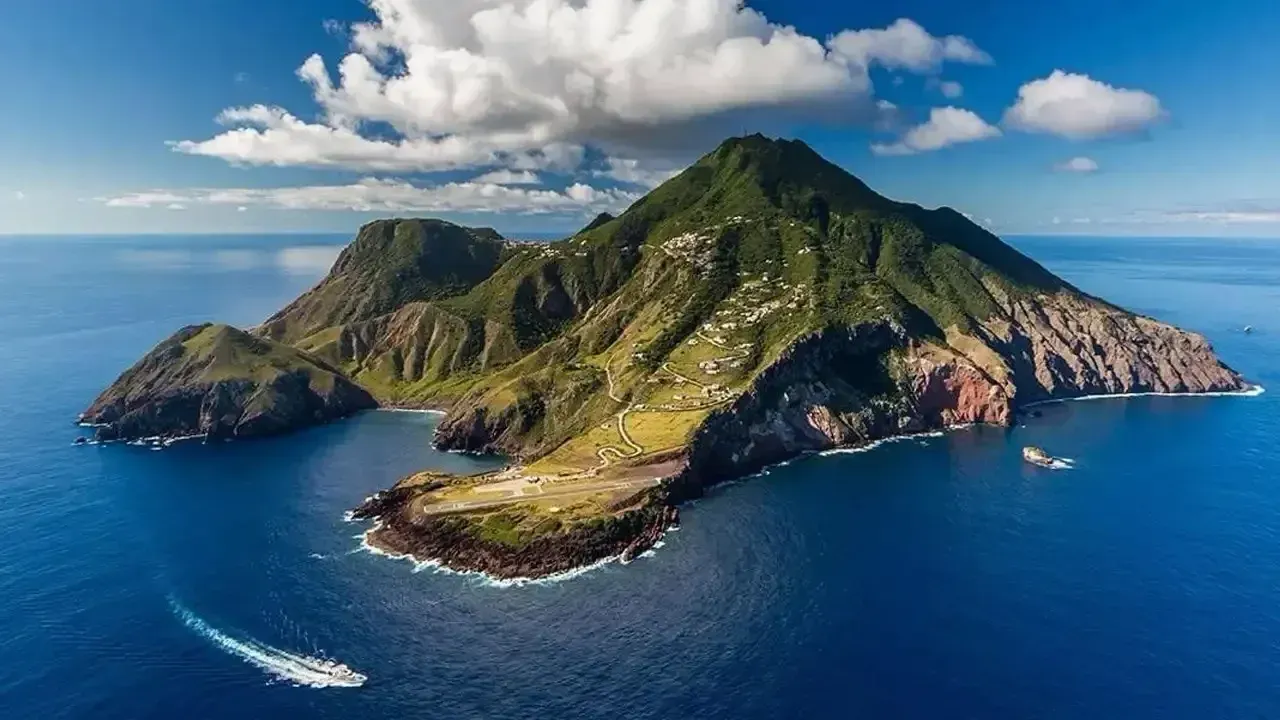
Stepping off the plane in Bonaire's August heat, I felt an exhilarating mix of familiarity and excitement. This time was special - I wasn't just leading any dive trip, I was leading my family on a scuba adventure in the shore-diving capital of the Caribbean. With my wife Jill beside me and her parents in tow (John, an avid diver, and Nancy, a non-diver with a snorkeler's spirit), we piled into a rugged pickup truck at the airport. Our home for the week was Den Laman Oceanfront Condos, a cozy waterfront base overlooking the Caribbean Sea and the uninhabited gem of Klein Bonaire across the channel. From our balcony, we could watch gentle waves and crimson sunsets each evening, the perfect backdrop as we planned our underwater exploits for the next day.
DIVE ANYWHERE, DIVE-ANYTIME CULTURE OF BONAIRE
Bonaire's diving culture greets you with a unique sense of freedom. There's no rush to meet a boat schedule or follow any fixed itinerary - we just did it. The flexibility was a game-changer, especially for our family trip with varied energy levels and interests.
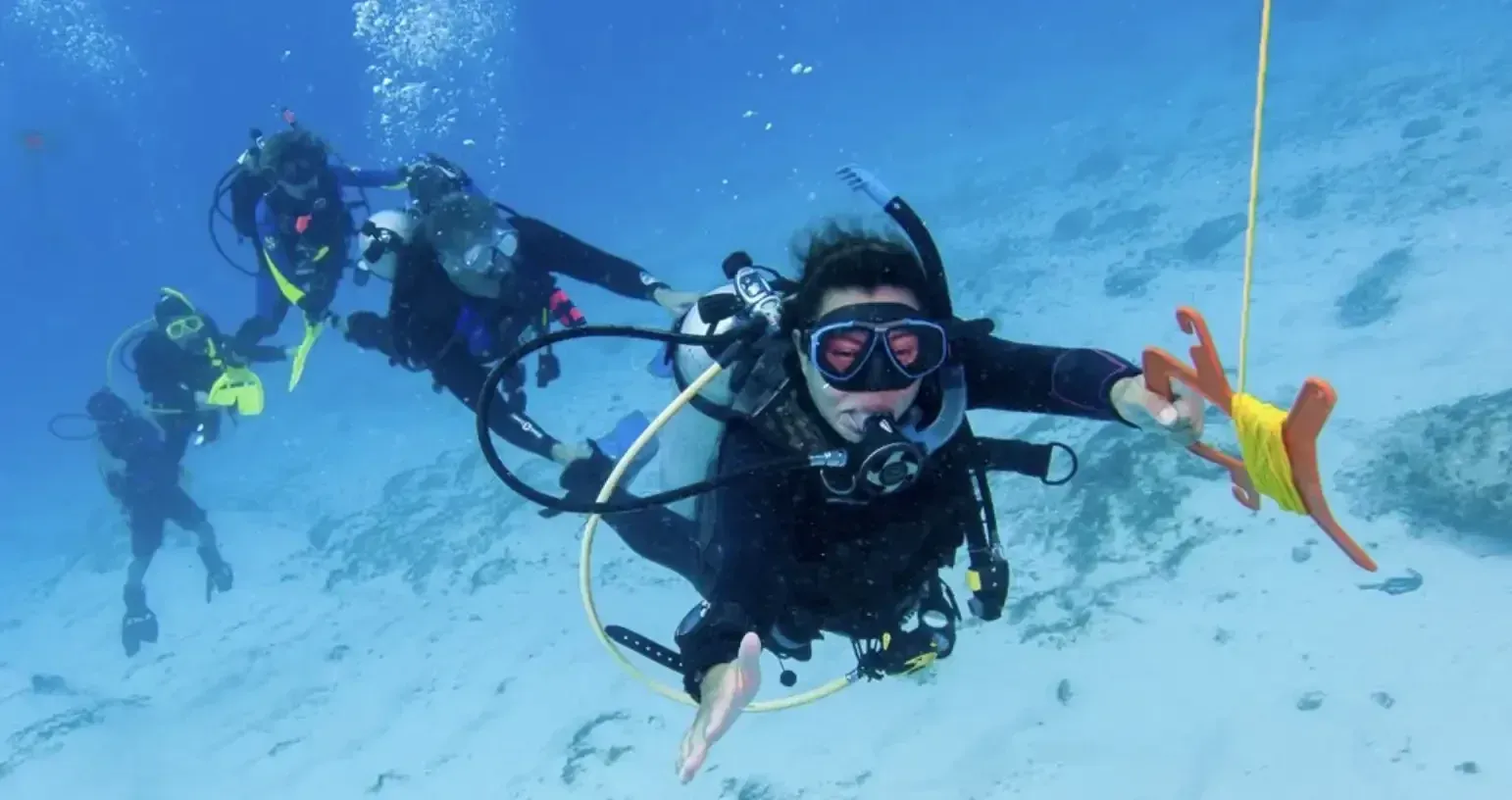
Gearing up at the tailgate of the truck became a familiar ritual. We'd double-check each other's kit in the morning sun, then stroll into the sea from the shore. No boat captain hurrying us along - just the sound of lapping waves and our own excited chatter. Bonaire's shore entries are generally easy, with many sites starting on gentle sandy shallows, though we learned to shuffle carefully over rocky entries and coral rubble in our sturdy dive booties. Every site had a mooring buoy offshore and that telltale yellow stone on land; navigation was often as simple as swimming out until the reef drop-off appeared, then turning left or right along the vibrant wall of coral. In Bonaire, you truly feel like you have a personal key to an endless underwater playground.
KRALENDIJK VIBES AND OUR OCEANFRONT HOME BASE
When we weren't underwater, we got to know the easygoing vibe of Kralendijk , Bonaire's quaint main town. Kralendijk is a sleepy Caribbean seaside village with colorful Dutch Caribbean architecture and a relaxed pace. In the evenings, we'd stroll its waterfront promenade and browse the small shops and restaurants. Nothing about Kralendijk feels rushed or commercialized - the town greets you, and nothing is taller than a palm tree. One night, we grabbed ice cream at a little gelato shop and wandered by Fort Oranje , a 19th-century fort, while swapping stories of the day's dives. After the raw excitement underwater, these slow, warm island evenings were the perfect counterbalance.
Our condo at Den Laman proved to be the ideal base. Every morning we woke to the gentle light of sunrise over the sea, and the first thing I'd do was gaze out at Klein Bonaire, the green little island offshore, imagining the reefs beneath those turquoise waters. Den Laman's convenience for divers was unbeatable - right below us lay Bari Reef, one of Bonaire's most famous house reefs. In fact, Bari Reef is renowned as the most fish-filled reef in the Caribbean, with over 300 recorded species. That statistic came to life for us on our very first dive: we decided to do a "checkout" dive literally steps from our door.
FIRST DIVES: BARI REEF'S BUSTLING AQUARIUM
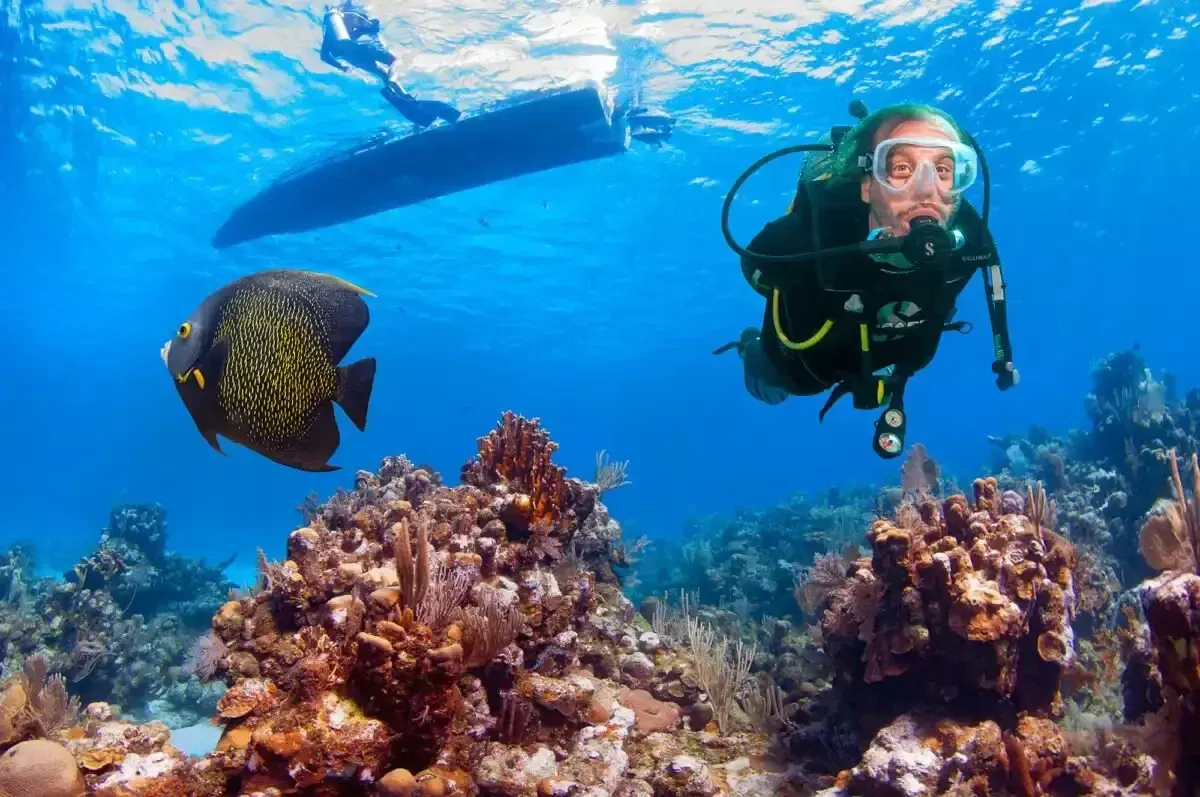
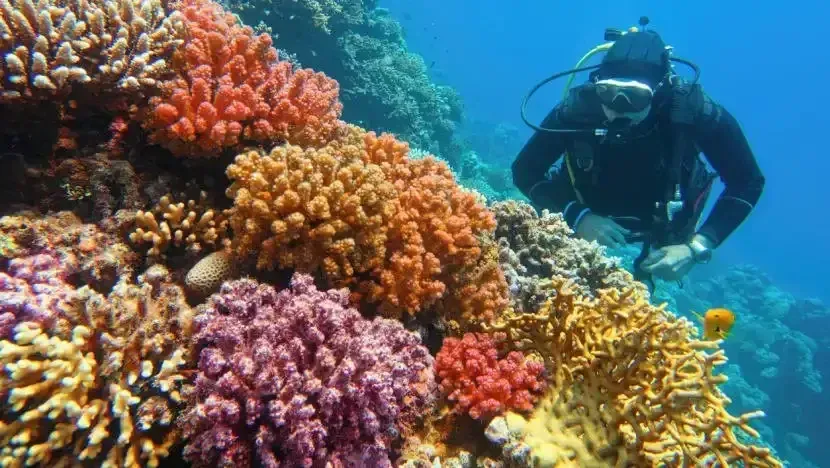
Giant-striding off the condo's small dock, we descended into Bari Reef and were immediately immersed in a living aquarium. Schools of blue tang and sergeant majors flitted around us, and John pointed out a cluster of spotted drums - juveniles with their distinctive long flowing fins - that caught everyone's eye. The reef starts only a few meters deep, so snorkelers and divers can enjoy it together. As we ventured a bit deeper (40-50 feet), the coral coverage grew thicker - staghorn corals, brain corals, and tube sponges of purple and orange. Jill suddenly gave a loud shriek through her regulator (the underwater equivalent of "Whoa!") to get our attention - she had spotted a seahorse clinging to a gorgonian! We all hovered excitedly, careful with our fins, as I mentally high-fived Jill for the find. Moments like that, sharing a rare creature sighting with family, are pure gold. We ended that first dive with a slow ascent among hovering silversides while a curious tarpon shadowed us (tarpon are big silver fish that often cruise Bonaire's reefs, especially at night). Climbing back up the dock ladder, everyone's eyes were shining with joy - even Nancy, who had only snorkeled above, couldn't stop talking about the fish she saw. Bari Reef set the stage, and now we were eager to explore Bonaire's many other sites, both famous and hidden.
SOUTHWARD ADVENTURES: SALT PIER, HILMA HOOKER AND RED SLAVE
Armed with our truck and a map of dive site names, we spent the next days bouncing around the island. One morning we headed south of Kralendijk, where the landscape turned flat and surreal with expanses of stark white salt mounds and pink-hued salt ponds. We drove past rows of snowy-white salt pyramids gleaming in the sun - the island's salt flats. Nancy, ever curious, asked us to stop for photos of the salt works and the tiny old slave huts along the shoreline. These huts, painted in orange and white, were once shelters for salt pan workers in the 1800s; seeing them was a sobering reminder of Bonaire's history even as we enjoyed its natural wonders. Not far beyond, our first southern dive site awaited: Salt Pier.
SUNBEAMS AND SCHOOLING FISH AT SALT PIER (DIVE DAY)
During the day, Salt Pier might be the most magical shore dive on Bonaire. We parked right by towering industrial pylons that stretch out into the sea - it's an active pier where ships dock to load salt, but when no ship's in, divers are welcome. Underwater, those pier pilings form a sort of underwater cathedral. As we descended, columns encrusted with corals and orange sponges emerged, and sunlight poured down in radiant beams between them. The effect was otherworldly. Large schools of fish were everywhere - silversides shimmering in synchronized waves, tangs nibbling at algae on the pillars, and sizable tarpon patrolling in the shade. John and Jill slowly finned through the forest of pylons, feeling like they were swimming through a sunlit cathedral of the sea, fish and bubbles mixing with huge schools of fry. Before we knew it, we had spent nearly an hour mesmerized by the atmosphere. Salt Pier truly felt alive and teeming — a site so dynamic that even a snorkeler could share in much of its beauty from above.
WRECK DIVING THE HILMA HOOKER
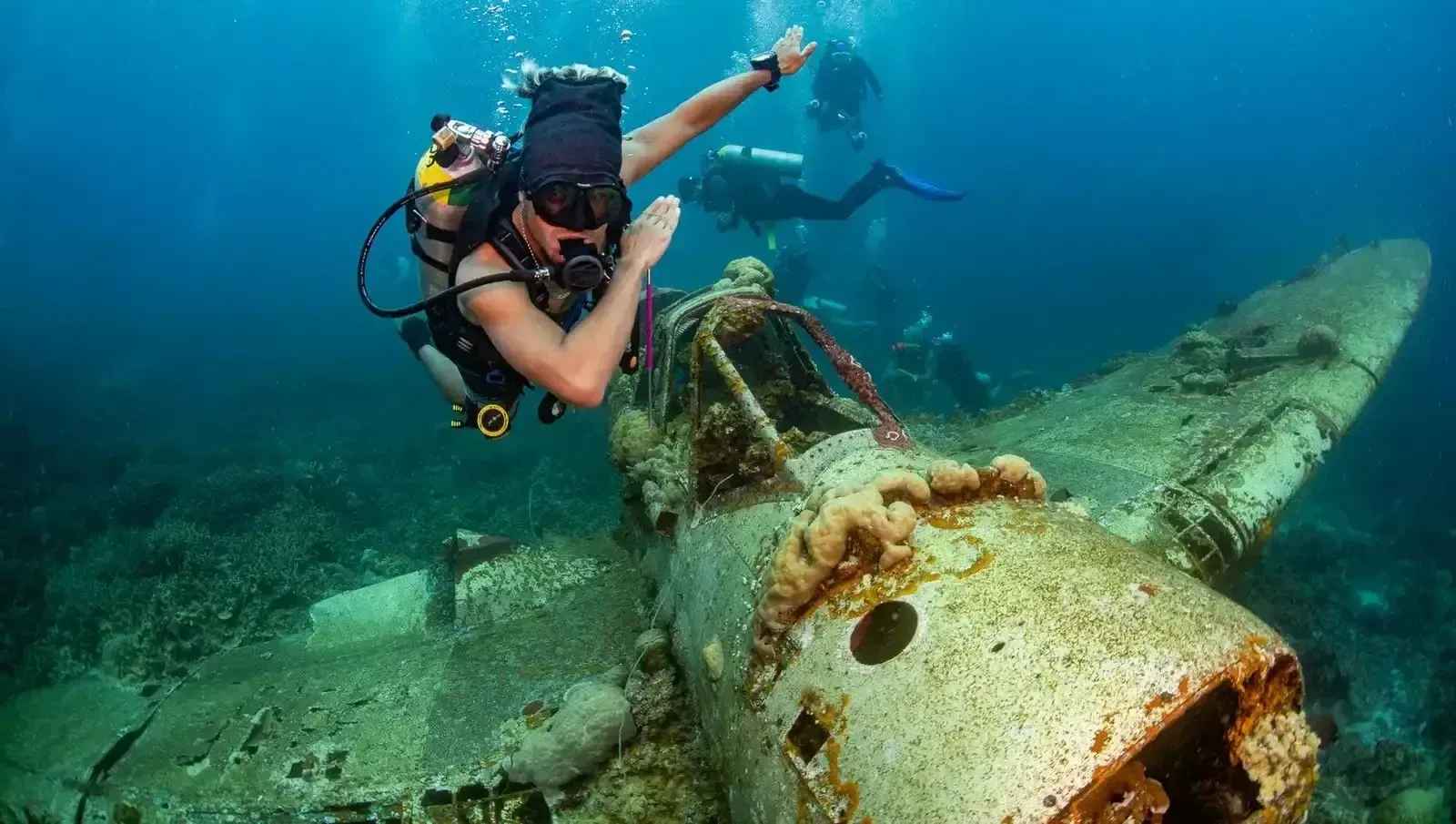
That same afternoon, a short drive brought us to another of Bonaire's legends: the Hilma Hooker wreck. Tucked between two reef systems, the Hilma Hooker is a 236-foot long cargo ship that met its fate here in 1984 after a dramatic drug-smuggling bust (local lore says it was caught with a massive load of marijuana and intentionally sunk after). As a wreck diving enthusiast, I was particularly excited to show Jill and John this site. We geared up on shore next to a trio of large yellow rocks labeling the spot, then kicked out on the surface for a few minutes until the dark shape of the wreck materialized below. Descending feet-first, the ghostly outline sharpened into the sight of a ship lying on its starboard side, massive and still. Corals and tube sponges cover its beams, and a large green moray eel has made a home in one of the portholes. We didn't penetrate inside (as a rule I keep it light when diving with family), but even circling the deck was thrilling. At one point a giant tarpon cruised by John's shoulder, startling him until he realized it wasn't a barracuda. We also found a colony of garden eels in the sand off the port side, popping up like curious blades of grass. John later told me the wreck dive stood out — he'd read about the Hilma Hooker in a magazine years ago, and there was something quietly special about drifting alongside a piece of history he'd only seen in pictures. For me, the best part was hovering next to him at 90 feet, shining my light into the dim interior of the wheelhouse, and catching his wide-eyed expression that said wow. Sharing that sense of awe with my father-in-law was priceless.
RED SLAVE: A WILD DIVE AND EEL SHOWDOWN
By our third day, we aimed to explore the far southern end of Bonaire. Past the salt flats and a lonely lighthouse, we reached Red Slave , one of the island's most remote dive sites (and the last one on the southern leeward coast). The entry here was a little trickier - tiny crashing waves and a pebble beach - but nothing our team couldn't handle. We donned our fins at the water's edge and slipped in carefully, then descended along a sloping reef. Red Slave's reef felt rugged and less visited, with huge star corals and sponges but also noticeable current nudging us along.
At around 90 feet, near a coral head swarming with chromis, we stumbled onto an astonishing scene I'll never forget: a large green moray eel was locked in a fierce, sinuous tussle with a spotted moray eel. At first, I couldn't process what I was seeing - two eels intertwined, but not mating… then the green moray engulfed the head of the smaller spotted moray in its powerful jaws! We hovered at a distance, equal parts amazed and aghast, as this undersea drama played out. The spotted moray writhed for a moment before going still, and the big green moray triumphantly dragged its unfortunate prey back into a crevice, vanishing in a cloud of sand. I have thousands of dives under my belt, and I'd never witnessed anything like a moray eel eating another eel. Our hearts were pounding at the raw wildness of it. Once we recovered from the shock, we continued the dive shallower, but kept exchanging wide-eyed glances and "did that really just happen?" gestures. Aside from that National Geographic moment, Red Slave rewarded us with sightings of a couple of eagle rays gliding past in the blue and a small school of barracuda near our turnaround point. By the time we clambered out (a bit out of breath from fighting current on the way back), we felt like we'd truly dived in the untamed Bonaire. For experienced divers like us, Red Slave's unpredictable nature and rare encounters made it a favorite. Nancy, hearing our excited retelling on shore, just shook her head in disbelief that "eels have a pecking order too!"
NORTHERN HIGHLIGHTS: 1000 STEPS, ANDREA 2, AND OIL SLICK LEAP
Another day we pointed our truck northward along Bonaire's scenic coastal road. Cacti-studded cliffs rose to our right, and the brilliant blue sea stretched to our left. Up here, the dive sites dotting the road are just as famous. We pulled up at 1000 Steps , one of Bonaire's signature sites. Despite its daunting name, the staircase down the cliffside is actually about 64 steps (we counted) - but hauling scuba gear back up in the sun makes it feel like a thousand! We joked with John's 74 year-old knees to take it slow, and then descended the limestone steps one by one, emerging on a small white beach lapped by clear water.
DIVING 1000 STEPS - TURTLES AND AN ICONIC VIEW
Underwater at 1000 Steps, the scene was idyllic. The reef here starts shallow and then slopes down to about 100 feet with excellent visibility. We drifted along at 50-60 feet, admiring great fields of star coral and fans. The topography and view upward were just as memorable - every so often we'd look up toward the surface and see the silhouette of Nancy snorkeling above us, framed by the cliffs and sunshine. She later said she spotted a sea turtle from above, and sure enough we encountered what was likely the same hawksbill turtle feeding on sponges at 40 feet. It languidly flapped away as we approached, giving us a gentle fly-by. We also found several large tarpon hanging motionless under an overhang (they like to shelter in the shadows during daytime). Jill spent a few minutes trying to photograph a shy queen angelfish that kept ducking behind coral heads. At one point, I just hung in mid-water and took in the spectacle: clear blue water, healthy corals, small reef fish darting everywhere, and shafts of light dancing down from the surface where Nancy's fins gently broke the waves. That mental snapshot of my family scattered through the water column - two up top, two with me below - will stay with me forever. The climb back up those "1000" steps with our dive gear did indeed get our thighs burning, but we had smiles on our faces and a bag of snacks waiting in the truck as a reward.
ANDREA 2 - CUTTLEFISH ENCOUNTER IN CALM WATERS
For a change of pace and to give John and Nancy a lighter dive/snorkel, we next drove to Andrea 2. This site, tucked away down a bumpy side road, greeted us with calm, glassy water and a narrow coral beach. Andrea 2 is known as a great snorkel and beginner dive site - the reef is shallow and the entry easy. Nancy was happy to hear that and slid into her fins eagerly. As divers, we also loved it; sometimes the mild, quiet sites offer unexpected delights.
We descended through a sandy channel to about 30 feet, where the reef blossomed into patches of lettuce coral and soft corals waving in the gentle surge. The tranquility was profound; only the sound of our breathing and faint crackle of shrimp broke the silence. While John and I inspected some purple tube sponges (home to tiny cleaner shrimp), Jill suddenly started gesturing excitedly and pointing ahead. We kicked over and to our amazement found ourselves amid a school of cuttlefish - at least half a dozen of them, each perhaps 8 inches long, hovering in formation over the reef! Their bodies pulsed with changing patterns, flashing from mottled brown to silver as they communicated with each other. We hovered nearly motionless to avoid scaring them. Nancy, face down at the surface above us, could vaguely make out the odd scene below and later joked that from up top we all looked like statues in a circle. The cuttlefish didn't flee; in fact, one inquisitive little cephalopod drifted within a few feet of my camera, seemingly as curious about us as we were about it. We spent several magical minutes with these creatures - a rare sight, as cuttlefish (or possibly reef squid , often mistaken for cuttlefish) are not commonly seen in groups during the day. It was easily one of the most enchanting moments of our trip. When the squadron finally moved on into the blue, we continued the dive, spotting a camouflaged scorpionfish and a bright green peacock flounder on the sand. Back on shore, Nancy was thrilled that even in snorkeling she caught a glimpse of the cuttlefish below (she saw the flashing lights and our reactions). Andrea 2 gave us a gentle dive with a big reward, proving that every site in Bonaire has its surprises.
OIL SLICK LEAP - A FUN PLUNGE AND PRISTINE REEF
No northern tour would be complete without a visit to Oil Slick Leap , a site whose quirky name belies a fantastic dive. We arrived to find an easy parking area and a low cliff with a sturdy metal ladder leading into the water. The reason for the name? This spot was once considered for an oil terminal site (happily never built), and now adventurers come for the joy of a good giant stride entry. We geared up at the edge and took turns leaping in - always a fun moment in diving, that split second of free-fall before the splash. We descended to about 40 feet and found a dramatic drop-off where the coral wall plunged deeper. We glided along the edge, enjoying excellent visibility. This site had some of the most intact hard corals I'd seen - huge brains and mountainous star corals creating overhangs. In the blue water off the wall, a barracuda patrol cruised by, shining in the sun. We also saw a couple of lionfish lurking (an invasive species here that we noted but left undisturbed). John was particularly happy at Oil Slick Leap because he loves spotting macro life; we spent a good five minutes watching a tiny seahorse curled around a sea rod at about 20 feet - Jill spotted it, with her keen eyes, and signaled us all over to appreciate the little guy. On our way back, we ascended to the shallow ledge around 15 feet. Nancy was still snorkeling above, following our bubbles. We passed up our gear and helped each other out of the water, the late afternoon light dancing on the surface. Oil Slick Leap was one of those spots that just felt good - a fun, easygoing dive with a reef full of life and a great view topside too.
INTO THE WILDERNESS: WASHINGTON SLAGBAAI PARK EXPEDITION
Mid-trip, we decided to dedicate a day to the Washington Slagbaai National Park , the wild, rugged nature reserve at Bonaire's northwestern end. This meant shifting gears from easy-access sites to a mini-expedition. We packed the truck with extra tanks, a picnic lunch, and plenty of water, and set off early. The drive into the park was an adventure in itself: bumpy dirt roads winding through desert scrub, tall cacti and divi-divi trees bent by the trade winds, and no sign of civilization aside from the occasional park signpost. We bounced along for nearly an hour, spotting wild donkeys and goats, and even a few flamingos feeding in the distant salinas (salt ponds) within the park. It felt like we had Bonaire entirely to ourselves out here.
Our destination was a remote dive site inside the park called Wayaka II - one of a handful of marked dive spots there. We arrived to a small secluded cove with crystalline water in shades of turquoise. There wasn't another soul around. Nancy chose to relax on the small beach with a book and some fruit (she was content sitting this one out after the bumpy ride), while the three of us geared up for a true off-the-grid dive. Entering the water at Wayaka was like stepping into a time capsule - the reef was pristine and untouched, enormous coral heads that had clearly grown for decades, as if they had grown undisturbed for ages. After nearly an hour, we returned to find Nancy wading in to cool off, delighted to hear about the eagle ray. In the afternoon, we drove further within the park to another dive spot, Boca Slagbaai , set near an old historic plantation site. Here we enjoyed a more relaxed second dive in shallower water (30-50 feet), exploring coral-encrusted chunks of an old pier and even discovering some rusted anchors and ballast stones on the seafloor, remnants of the island's seafaring past. The sea life was plentiful - parrotfish and angelfish galore - and we even found a green turtle napping under a ledge. Diving in the park felt distinctly different: more pioneer-like, with no other divers around and a sense of frontier diving. By the time we packed up to leave, we were pleasantly tired. We took a detour to drive up to the lighthouse at Seru Bentana and soaked in panoramic views of the park's dramatic coastline - waves crashing on remote rocky bays and wild scrubland stretching into the distance. It was a reminder that Bonaire isn't just reefs - it's an island of adventure on land too.
THE MOST SPECTACULAR THING I HAVE EVER SEEN: OSTRACODS AT SALT PIER
We saved our night dive for later in the week - and I'm glad we did. What happened that night was beyond anything I expected. We returned to Salt Pier, geared up just after sunset. It was dark, warm, and still. The water was flat. We entered quietly and descended to about 30 feet. Our lights were off. The dive had barely begun.
We saved our night dive for later in the week - and I'm glad we did. What happened that night was beyond anything I expected. We returned to Salt Pier, geared up just after sunset. It was dark, warm, and still. The water was flat. We entered quietly and descended to about 30 feet. Our lights were off. The dive had barely begun.
At first, it started as flickers - just tiny flashes on the edge of my vision. I brushed it off. Thought maybe something was wrong with my eyes. I blinked. Still there. I looked straight ahead. Still more flickers. Then to my side. Still doubting myself, I looked back at Jill and John. I needed to know - were they seeing this too? Their eyes were wide. John hovered motionless, scanning the water like he'd seen a ghost. That was the moment I knew: This is real.
The darkness deepened. We floated motionless, neutrally buoyant, flashlights off, in complete silence. Then it exploded around us - hundreds of thousands of ostracods, tiny crustaceans, glowing in synchronized pulses. Strings of light flashed like "underwater fireflies," weaving through the water like living constellations. It wasn't a light show — it was a light field. Like being suspended inside a galaxy.
No one moved. No one even waved a hand. We just hovered, breath-controlled, in awe. For over 30 minutes, we drifted in this bioluminescent dreamscape. It was euphoric, humbling, and deeply surreal. When we surfaced, we were quiet at first. Then, still floating in the dark, one of us asked: "What the hell did we just witness?"
Back at the condo, we couldn't stop talking about it. We pulled out laptops, phones — researching, reading, confirming. That's when we learned the word: ostracods. We'd unknowingly planned our night dive a few days after the full moon — the perfect time to see their synchronized mating display. We had no idea. We thought we were just doing a regular night dive. What we witnessed was nature's most secret light show, and we stumbled into it completely by accident. I'll never forget it.
SURFACE INTERVAL: SALT FLATS AND WINDSURFING AT LAC BAY
It wouldn't be a balanced trip if we didn't also explore Bonaire above the water. After so much diving, we took an afternoon to be dry (well, mostly) and tour a bit of the island's other attractions. We drove back down south, where the salt flats spread out like pink mirrors. Under the bright sun, the shallow evaporation ponds were surreal in color - some a rosy pink, others emerald or blue, all due to the microorganisms and high salinity. Towering white mountains of salt lined the road, awaiting export. We stopped to read a sign about the history: salt has been harvested here for centuries, once by enslaved labor. Seeing the small, stark slave huts in person was humbling; we stepped inside one and could barely imagine people living in such cramped quarters. It made us appreciate not only Bonaire's natural beauty but also how far the island has come. Nearby, a few wild flamingos waded in the brine ponds, their pink plumage blending with the landscape. We snapped some family photos with the salt piles and the lighthouse in the background - fun touristy shots that later ended up on our holiday calendar.
From there, we headed across to the east coast, to Lac Bay, for a completely different kind of water sport: windsurfing. Lac Bay is a gorgeous shallow lagoon with steady trade winds, famous as a windsurfing haven. We reached Sorobon Beach, where a cluster of windsurf huts and rental shacks sits on a sandy shoreline under palm trees. The bay's water is warm, knee-deep in many areas, and unbelievably clear - you can literally see starfish on the sandy bottom as you wade out. Jill and I decided to give it a try while John was content to watch (his shoulders needed a break after all the tank-lugging) and Nancy was thrilled to simply float and swim in the calm shallows. Under the guidance of a local instructor, we hopped on beginner windsurf boards and caught the wind. It was a blast! We wobbled, fell a few times with dramatic splashes, but eventually managed to glide short distances. The feeling of skimming over the turquoise water, powered by the breeze, was invigorating. Each time I'd pull the sail up and get moving, I'd hear cheering from the shore - our little family fan club egging us on. Meanwhile, Nancy had found her own bliss: mask on, drifting over beds of seagrass, occasionally spotting juvenile fish and even a small ray in the shallow bay. Lac Bay offered something for each of us - whether adrenaline or relaxation - and it was a perfect afternoon away from the tanks. The day gave us a new appreciation for Bonaire's versatility - from 1000 Steps' cliffside view to the wide-open wind of Lac Bay. Bonaire had given us a rich tapestry of experiences, underwater and topside. And though I had been the "trip leader," orchestrating logistics and dive plans, the island itself had led us all on a journey of wonder.
FINAL THOUGHTS: GRATITUDE AND FAMILY BUBBLES
On our last diving day in Bonaire, we did one more easy twilight dive off the condo's house reef, just the four of us together in the water one final time. The sky above turned tangerine, and underwater, the reef transitioned from day to night. It was a calm, simple dive - a slow goodbye to the reef that had been our backyard all week. When we emerged at nightfall, we floated on
the surface for a minute, looking back at the lights of Kralendijk starting to twinkle and a bright moon rising. I reached out and gave Jill's hand a squeeze, then John's. Nancy, floating in her snorkel gear nearby, chimed in: "What a team we make, huh?" Indeed, we had become an excellent team.
Throughout this journey, I was reminded why I love leading dive trips - it's not just the dives, but the bonds forged and strengthened. To have my wife and her parents along and see them marvel at the same underwater sights that have enchanted me for years was something truly special. We laughed so much, we learned from each other (who knew Nancy would turn out to be a braver night adventurer than any of us?), and we shared moments that words can't fully capture - but I've tried. Bonaire provided the stage with its unparalleled dive-anytime freedom, its vibrant reefs, and laid-back island life. We provided the narrative: one of family, adventure, and trust in each other.
As a scuba educator, I often focus on training others, but on this trip, my family were my favorite students and buddies, soaking up each experience with enthusiasm. I'm filled with heartfelt gratitude - for the stunning nature of Bonaire and for the opportunity to experience it intimately with people I love. Driving back to the airport at week's end, salty gear packed up and souvenirs in hand, we all agreed on one thing: Bonaire had cast its spell on us, and this would not be our last adventure together in this diver's paradise.
FAQ
1. What makes Bonaire so special for scuba divers? Bonaire is often called the shore diving capital of the Caribbean, and for good reason. Nearly every dive site on the island is accessible directly from shore - no boat required. The marine park protecting Bonaire's reefs is one of the oldest and best-managed in the Caribbean, which means the coral and fish life is in exceptional condition. Visibility is excellent (often 80-100 feet), and currents are generally mild to non-existent at most sites. This means you can dive on your own schedule, at your own pace. The marine life is superb: you'll encounter vibrant coral gardens, more than 350 species of fish, and highlights like sea turtles, rays, seahorses, and occasional dolphins. Bonaire's dive-anytime culture and well-maintained marine park (just make sure to purchase the required Marine Park tag) set it apart as a diver's paradise.
2. Do I need a dive guide or dive operator, or can I shore dive on my own? One of the joys of Bonaire is the freedom to shore dive independently if you're a certified diver comfortable with the DIY approach. Most visitors rent a pickup truck and some form of tank package from a local dive shop (tanks are usually available 24/7 for pickup once you've arranged it). After a brief orientation about marine park rules (like not wearing gloves, no touching corals, etc.), you're free to explore. The dive sites are all marked with yellow stones on land and mooring buoys in the water, and there are guide books and apps with maps. That said, if you're new to Bonaire or prefer guided dives, many operators offer daily guided dives and courses as well. There are also a few sites that are boat-only (like some on Klein Bonaire or the East Coast). In our trip, we did everything self-guided because I'm an instructor, and we enjoyed the flexibility. As always, dive within your limits - if a site looks too rough (waves or current), choose another. Safety first.
3. Is Bonaire suitable for beginner divers and non-divers (like snorkelers or families)? Absolutely. Bonaire caters to a range of experience levels. For beginners, there are many calm, shallow sites (e.g., Andrea I & II, Playa Lechi, Front Porch ) where you can practice shore entries and buoyancy without stress. The island's dive shops also offer excellent training if someone needs a course or refresher. For snorkelers and non-divers, Bonaire is a dream - the snorkeling is fantastic at many dive sites since the reef often starts in just a few feet of water. Places like Bari Reef, 1000 Steps, Salt Pier, and Lac Bay offer great snorkel opportunities. My mother-in-law snorkeled above us on several dives and saw plenty (reef fish, a turtle from above, cuttlefish flickers) and never felt left out. Families with mixed experience levels will find Bonaire very accommodating - it's easy to have some family members dive while others snorkel the same site. The island is safe, unhurried, and friendly, making it ideal for multigenerational trips. The one consideration: if you have very young children, some entries can be rocky or require a bit of a wade; sticking to the sandier entries will keep it comfortable for families with small kids or those wanting a quieter scene.
4. What's the best time of year to dive in Bonaire? You can dive Bonaire year-round. It lies outside the hurricane belt (meaning it's less affected by Caribbean hurricanes), so conditions are fairly consistent. Water temperatures range from about 78°F (26°C) in winter to 84°F (29°C) in late summer. Our trip in August had wonderfully warm water and calm seas. Summer and early fall can be a bit hotter topside (air temps in the 90°F/32°C range), but the trade winds provide a nice breeze. Winter and spring (December-April) are very popular with visitors from colder climates - expect slightly cooler water (you might want a 3mm wetsuit then). One thing to consider is the ostracod bioluminescence: it happens a few nights after the full moon, mostly in the warmer months. If witnessing the "underwater stars" phenomenon is on your list, schedule your trip around the lunar cycle. Overall, there isn't a bad time for Bonaire. It's dry and sunny most of the year; even the "rainy" season (Oct-Dec) usually just means occasional short showers. Visibility underwater might dip slightly after big storms, but generally remains good. We went in August and had stellar conditions.
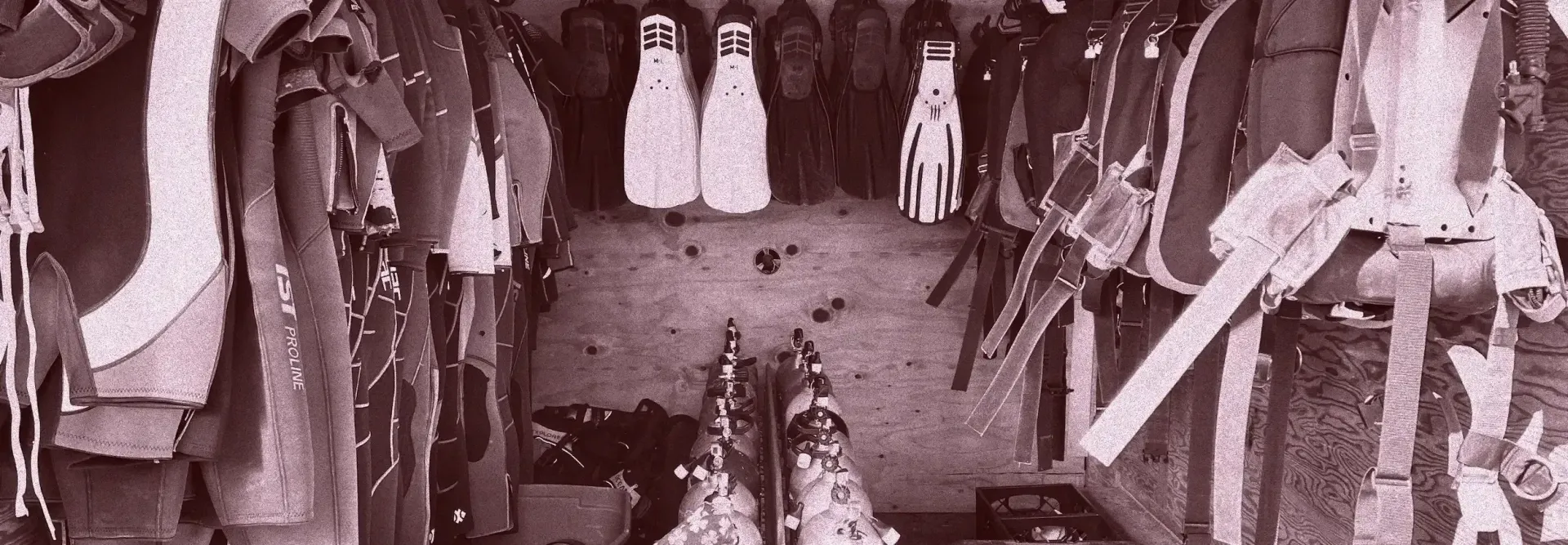
5. What gear and preparations are needed for Bonaire shore diving? Shore diving means you should bring/wear some specific gear: sturdy open-heel fins with boots are a must (full-foot fins won't protect your feet on rocky entries). A wetsuit or dive skin is recommended, not so much for warmth (water is warm) but for protection against scrapes or coral contact in shallow surge zones - I wore a 1.5mm top and swim shorts, others in our group wore 3mm shorties. Bring save-a-dive kit items since you're diving without on-site help (spare o-rings, fin straps, etc.). Gloves are not allowed (to protect the reef). Many people use a dive pickup truck, so a gear tub for rinsing and holding wet gear in the truck bed is handy, as is a pad or mat to change on. Don't forget a dive flashlight for each diver if doing night dives (plus a marker light). A DSMB (surface marker buoy) and whistle are good safety items, though we found we rarely saw any boat traffic in the areas we dove from shore. Also, pack reef-safe sunscreen and use it well before you dive (to avoid harming corals). In terms of logistics, you'll need to pay the Marine Park fee (usually online, currently $40 for divers as of our visit) and arrange a tank rental/refill service with a local dive shop. It's also worth downloading the Dive Bonaire app or picking up a dive map - it lists all the sites with GPS coordinates and notes on conditions. And stock your cooler: having cold drinks and snacks in the truck makes surface intervals much more enjoyable at some dive sites (nothing beats a sandwich from a food truck after a two-tank morning dive!).
6. Are there any challenges or things to be aware of when shore diving in Bonaire? For the most part, shore diving in Bonaire is straightforward, but a few pointers: Entries can vary from sand to ironshore (flat limestone rock). Some sites have slippery rocks - take your time, and consider wearing your fins in hand until you're waist deep to avoid tripping. A few sites (like Red Slave or those in the far north) can have strong currents - always assess conditions. If a site looks rough (waves breaking or current visible), choose another or dive with caution (start into the current so it helps you back). Decompression limits are another consideration; because it's easy to do many dives in a day (with no schedule to hold you back), keep an eye on your nitrogen loading and take appropriate surface intervals. We did 2-3 dives most days, and that felt comfortable with our computers well in the green zone. Sun exposure is real - you're in the tropics, loading gear in full sun. Wear a hat and SPF between dives, hydrate frequently and protect yourself between dives. Overall, the challenges are minor, and the island is set up to make diving as easy as possible. If you can handle hauling gear a bit and have decent shore entry skills, you'll be fine.
7. What else is there to do on Bonaire besides diving? While diving (and snorkeling) are the main draws, Bonaire offers a surprising variety of topside activities given its small size. Windsurfing at Lac Bay is world-class - the steady winds and shallow bay are perfect for beginners and pros alike. If you're into kitesurfing, the island's Atlantis Beach on the southeast side is popular for that. Kayaking in the mangroves (at Lac Cai) is a serene way to see juvenile fish and birds in a nursery habitat. Land sailing (think wind-powered go-karts) is another unique activity available. For nature lovers, Washington Slagbaai National Park has hiking trails, secluded beaches, bird-watching (parrots, flamingos), and panoramic viewpoints - great for a day trip or off-road drive. Flamingo watching at the salt pans in the south is a must - these wild flamingos are stunning, especially at sunset. The island has a small but charming food and bar scene in Kralendijk, with fresh seafood restaurants, casual beach bars, and a few live music spots. History buffs will enjoy learning about Bonaire's salt industry and slave heritage (the historic slave huts are free to visit). Cyclists and runners will love the quiet roads and coastal paths. There are also glass-bottom boat tours and semi-submarine excursions for those who want to see the reef without getting wet. A visit to STINAPA's flamingo sanctuary is educational for families. And for pure relaxation: hammocks, sunsets, and cold local Amstel Bright beer (the island's unofficial official drink) - enjoy at a beach bar or burger truck near the southern sites. It's a quiet island in terms of nightlife - evenings are low-key, often spent dining outdoors or having a drink by the sea. Our family loved that aspect; it's all about a relaxed, nature-focused experience. In short, if you somehow get tired of diving (which we doubt you will!), Bonaire still has plenty to keep you entertained and immersed in its unique culture and landscape. immersed in its unique culture and landscape.
Recent Posts