


Conservation Through Exploration: Dive Destinations That Turn Tourists into Ocean Advocates

Samuel Bachar • September 9, 2025

Share this article

Introduction

It's easy to fall in love with the ocean the first time you drop beneath the surface. The colors. The life. The silence. It grabs you. But for many divers, that connection goes even deeper over time - it turns into something more: a drive to protect what we've seen with our own eyes.

Traveling to dive isn't just about ticking sites off a bucket list. It's about bearing witness. And if you choose your destinations wisely, your adventures can actually help protect the very places you visit. Because sometimes the greatest conservationists aren't scientists - they're travelers who came home different than they left.

Here's a look at some dive destinations where exploration and conservation go hand in hand - and where every dive can help turn tourists into lifelong ocean advocates.

1. Galápagos Islands, Ecuador: Where Protection Is the Price of Admission

If there's a cathedral for divers, it's the Galápagos. Hammerhead schools sweeping past volcanic walls. Whale sharks the size of box trucks cruising through blue water. Giant sea turtles, sea lions, mola molas - all packed into one surreal ecosystem.

But diving here isn't a free-for-all. The Galápagos National Park is one of the world's oldest and strictest marine protected areas. Only licensed operators can bring divers to sites like Darwin's Arch, and every boat, dive guide, and guest is subject to firm rules designed to protect the wildlife.

It's not just about following rules for safety. It's about respecting a place so rare that it can't afford any more mistakes.

By choosing to dive here with responsible liveaboards and guides, you're directly funding conservation efforts - permit fees, research, patrols against illegal fishing - and helping support the preservation of one of the last truly wild places left on Earth.

Diver Tip: Some operators allow you to volunteer for small projects (beach cleanups, species counts) during longer trips. If you get the chance - jump on it.

2. Raja Ampat, Indonesia: The Coral Triangle's Crown Jewel

If you've ever wondered what coral reefs looked like before human interference, Raja Ampat is about as close as you'll get. This remote region in eastern Indonesia sits at the heart of the Coral Triangle - the epicenter of global marine biodiversity. More species of fish, coral, and invertebrates live here than anywhere else on the planet.

But what makes Raja Ampat even more special is how local communities manage it. Rather than leaving conservation up to outsiders, the villages here have taken matters into their own hands. They've established Marine Protected Areas (MPAs) run by locals, for locals. Divers help fund these efforts through conservation fees included in dive packages.

Your trip doesn't just support the reefs - you're supporting villages that have a vested interest in keeping their waters alive for generations.

Diver Tip: Visit Misool Eco Resort if you can - it's a private marine reserve that turned a former shark-finning zone into one of the richest no-take zones in the world.

3. Bonaire: Small Island, Big Impact

Bonaire may be small, but it punches way above its weight when it comes to marine conservation. The entire coastline - from the shallows to the drop-off - is part of Bonaire National Marine Park.

Every diver who visits must buy a Marine Park Tag. It's not just a sticker - it's a direct contribution to reef protection, mooring maintenance, and scientific research. The reefs here are vibrant because they're cared for like a community garden, not treated like a free resource.

You'll also notice an emphasis on personal responsibility: no touching coral, no gloves allowed, strict no-take policies. It's a place where conservation isn't an afterthought - it's baked into the dive culture.

Diver Tip: Shore diving is the way to experience Bonaire fully. Access points are clearly marked, and self-guided diving means less boat traffic - and a closer personal connection to the reef.

4. Cozumel, Mexico: Diving and Coral Restoration in Action

Cozumel has long been famous for its drift dives and towering coral walls, but in recent years, it's become a case study in coral restoration. After storms and warming events damaged parts of the reef, local scientists and divers began planting nursery-grown coral back onto the damaged areas.

Visitors now have the opportunity to learn about and even participate in reef restoration programs. Some dive shops offer specialty courses where you can assist in coral fragmenting and planting - real hands-on conservation work while you dive.

Plus, Cozumel's waters are part of the Arrecifes de Cozumel National Park, meaning conservation fees from dive trips directly fund reef monitoring and enforcement efforts.

Diver Tip: Ask about dive operators that partner with groups like Oceanus A.C. if you want to add a conservation dive to your trip.

More Dive Destinations That Champion Conservation

If you're looking to build a dive trip around conservation values, here are more destinations where protecting the ocean is part of the experience:

Palau One of the world's first shark sanctuaries, Palau's marine protected areas cover 80% of its waters. Diving here helps fund enforcement against illegal fishing and supports global conservation initiatives.

The Red Sea, Egypt (Ras Mohammed National Park) Strict marine park rules have preserved coral reefs near Sharm El Sheikh, making it one of the healthiest accessible reef systems despite high tourism. Entry fees go directly to park management and reef protection.

Mozambique (Tofo and Praia do Tofo) is an emerging hotspot for whale sharks, mantas, and conservation research. Many local dive centers are actively involved in marine megafauna studies - and your dives often contribute data.

Cocos Island, Costa Rica A UNESCO World Heritage site famous for hammerhead schools and pelagics. Liveaboard trips help fund ongoing research and anti-poaching patrols critical to preserving the park's isolated ecosystem.

Komodo National Park, Indonesia Known for strong currents and rich biodiversity, Komodo's park fees fund reef protection and local ranger patrols. Strict anchoring and fishing rules keep coral systems healthier than in many parts of Indonesia.

Malpelo Island, Colombia A remote, rugged outpost famous for huge schools of sharks. As a UNESCO site, diving here supports highly regulated access and scientific monitoring efforts aimed at preserving large predator populations.

Sipadan Island, Malaysia Strict daily diver limits and the elimination of resort development on Sipadan itself have allowed its reefs to remain pristine. You'll need to stay nearby and book early, but the payoff is world-class coral and healthy turtle populations.

Pro Tips: How to Travel Like an Ocean Advocate

Choose eco-certified dive operators - Look for shops that are Green Fins members or carry local eco-certifications. Pack reef-safe sunscreen - Better yet, wear rash guards and minimize lotion use altogether. Respect local regulations - Even if no one is watching, follow the rules. Your example helps set the tone for others. Support citizen science - Submit your wildlife sightings to apps like eOceans or iNaturalist. Minimize single-use plastics - Bring your own refillable bottle, shopping bag, and even a reusable straw.

Conclusion

Diving is one of the purest forms of exploration we have left. But exploration comes with responsibility.

When you travel thoughtfully - choosing places that protect their reefs, supporting local conservation efforts, and diving with care - you're doing more than just seeing the ocean. You're becoming part of the reason it survives for the next generation of divers.

Every dive matters. Every choice matters. And the more we connect with these places, the more we fight to protect them.

That's the real legacy of diving - not just the memories we make, but the difference we leave behind.

Quick FAQ: Diving and Ocean Conservation

1. How do I know if a dive operator is eco-friendly? Look for Green Fins certification, PADI Eco Centers, or affiliations with local marine conservation projects. Don't be afraid to ask operators directly about their practices.

2. Can beginner divers participate in conservation efforts? Absolutely. Many reef cleanups, coral planting programs, and citizen science projects are open to divers with basic open water certifications. Enthusiasm and care matter more than advanced skills.

3. Does my Marine Park fee actually help? Yes. In places like Bonaire, Galápagos, and Cozumel, park fees directly fund conservation patrols, mooring maintenance, scientific research, and education programs for local communities.

4. What's one simple thing I can do on every dive trip to help? Practice perfect buoyancy. Nothing damages reefs faster than careless fin kicks or accidental contact with fragile coral.

Recent Posts

Scuba diver swimming over a sunken airplane wreck underwater
June 24, 2026
A ten-night dive adventure in Palau with Sam's Tours — Blue Corner, WWII wrecks, coral gardens, and a deeply personal brother reunion 20 years in the making.
People in swim gear practicing underwater breathing in a pool with a trainer
By Samuel Bachar September 9, 2025
Scuba diving is an immensely enjoyable avocation that combines adventure, knowledge, skills, and self-discipline. Humans were not meant to spend much time underwater, but thanks to technology, we are able to enjoy the mysteries of the last frontier on this planet.

Rows of hanging clothes in a shop, with garments displayed from floor to ceiling.
By Samuel Bachar September 9, 2025
Embarking on a scuba diving adventure is a thrilling experience. Whether you're a seasoned diver or a beginner eager to explore underwater, the importance of properly maintained and reliable scuba diving equipment cannot be overstated.
Scuba diver and sea turtle swimming above a colorful coral reef in clear blue water
September 9, 2025
A dive travel story following a week at Mayan Princess Beach & Dive Resort in Roatán, Honduras — exploring Caribbean reef sharks, wrecks, Garifuna culture, and local food.
A lush green island rising from bright blue ocean under a partly cloudy sky
September 9, 2025
Explore Saba's world-class diving, charming village life, and dramatic volcanic landscapes in this firsthand travel account from the "Unspoiled Queen" of the Caribbean.
Scuba diver photographing a colorful coral reef underwater
September 9, 2025
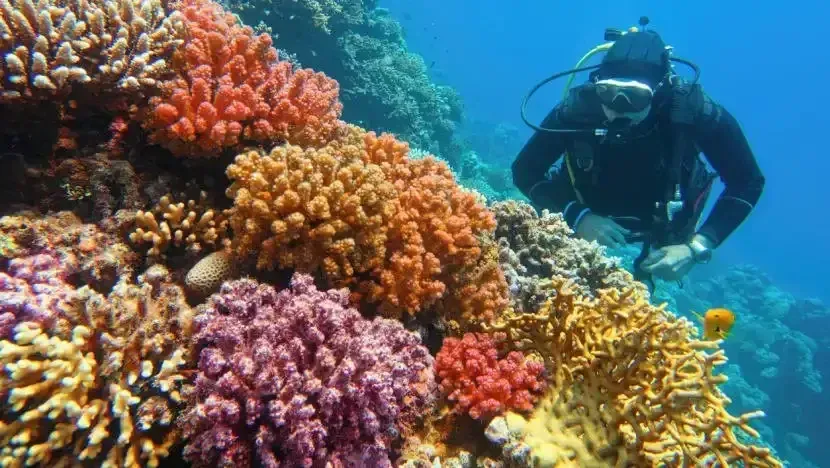
Explore how mindful diving practices and coral reef restoration efforts work together to protect our oceans, and discover how you as a diver can make a real difference.
Scuba diver in black gear underwater, holding a camera and flashing a hand signal
September 9, 2025
A deep dive into the history of BCDs, the revolutionary backplate and wing design, and why experienced divers swear by it for buoyancy control, comfort, and customizability.
Camera rig with dual LED lights on a wooden table, outdoors with a blurred beach background
September 9, 2025
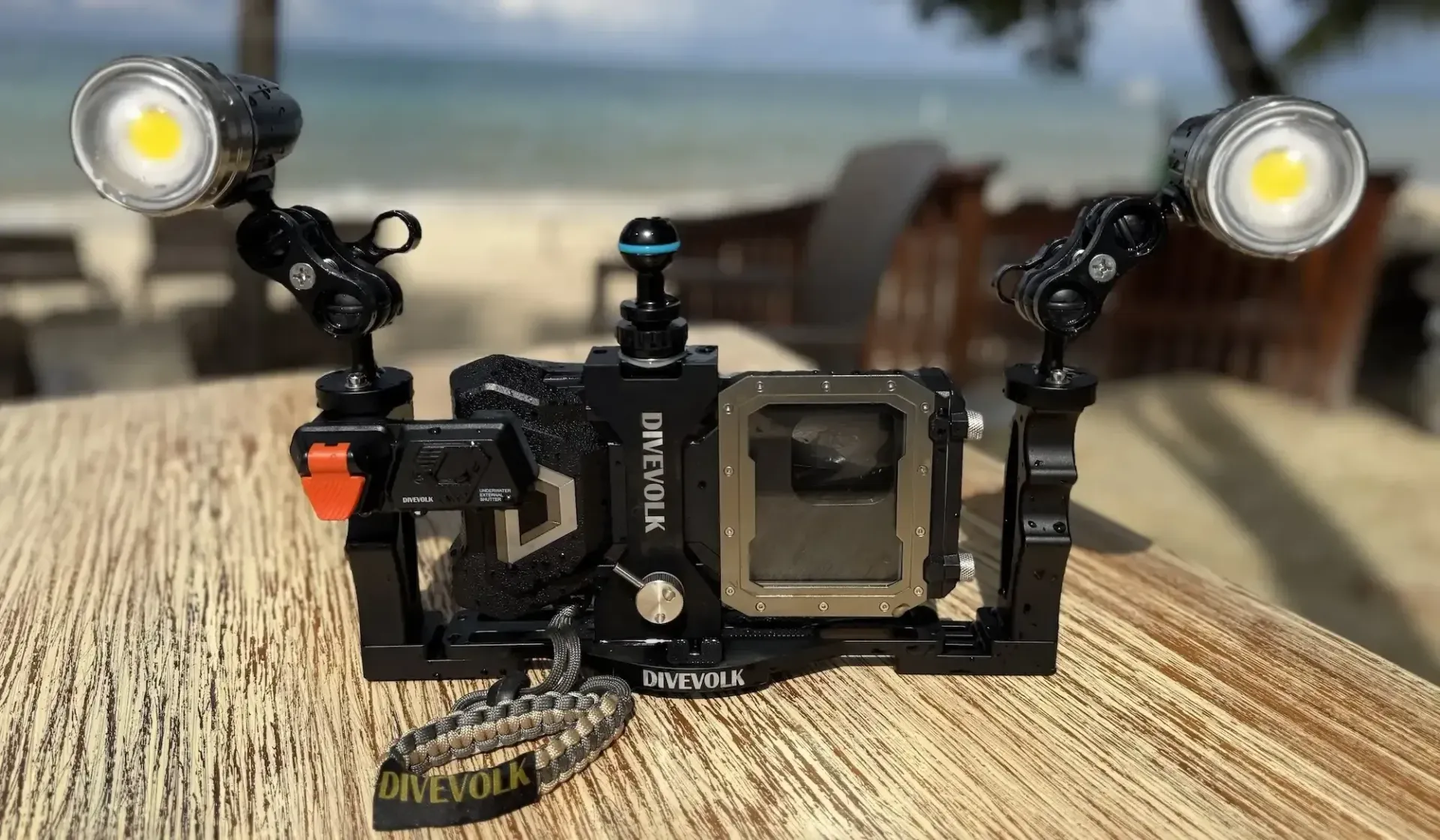
A dive center owner's personal review of the Divevolk SeaTouch 4 Max underwater phone housing, comparing it to competitors and sharing pro tips for underwater phone photography.
Two scuba divers underwater, one in foreground with mask and orange fins, holding a guide line
By Samuel Bachar September 9, 2025
Coastal ocean currents are fascinating phenomena that have a significant impact on marine environments and various aquatic activities, including diving. Understanding the diverse types of currents, the forces shaping their existence, their implications for divers, and the strategies for safe interaction are paramount for an enriching and secure diving experience.
Three side-by-side close-ups of a skin rash labeled by date, showing changing redness and texture
By Samuel Bachar September 9, 2025
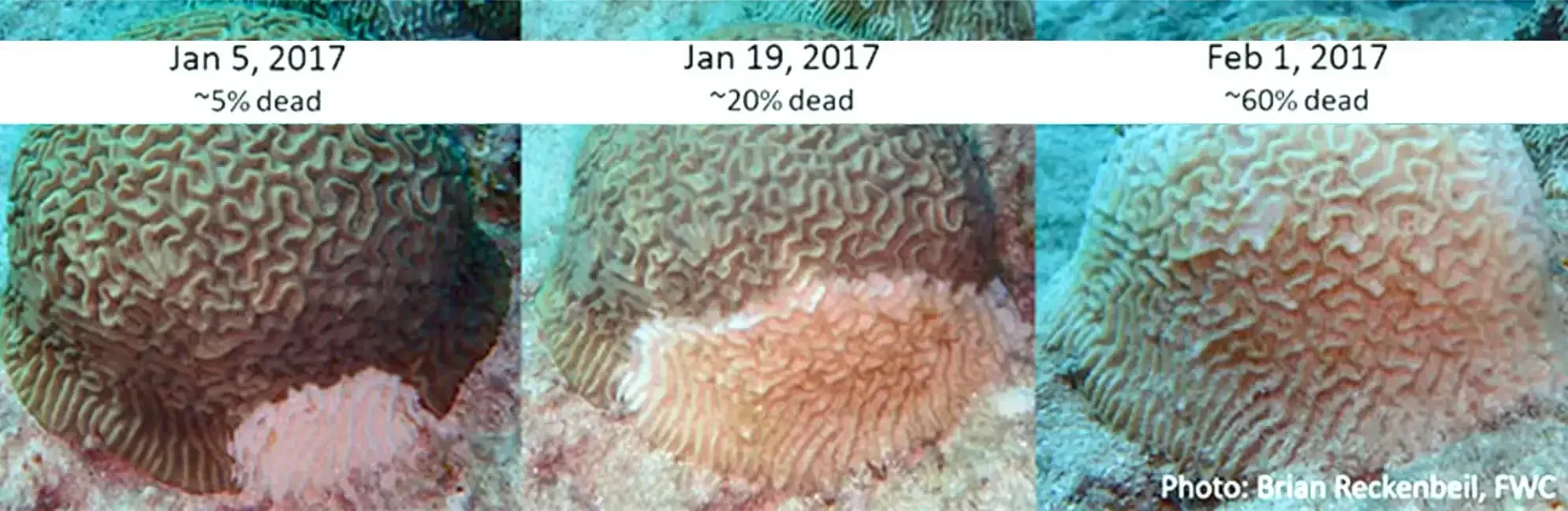
In the azure waters of the Caribbean, a silent menace is unraveling the vibrant tapestry of coral ecosystems, casting a shadow over the very heart of paradise. Stony Coral Tissue Disease (SCTLD), a devastating affliction first identified off the coast of Florida in 2014, has morphed into a formidable threat, leaving a trail of destruction across coral reefs in its wake.

Show More