


What Every Diver Should Know: Scuba Dive with Confidence and Finesse

Samuel Bachar • September 9, 2025

Share this article

Scuba diving is an immensely enjoyable avocation that combines adventure, knowledge, skills, and self-discipline. Humans were not meant to spend much time underwater, but thanks to technology, we are able to enjoy the mysteries of the last frontier on this planet. SCUBA has a great safety record, but it is still an inherently dangerous sport. Without the proper knowledge, skill development, and practice, a diver can make poor decisions, and the consequences can be extreme.

How do we SCUBA dive safely? How do we do it gracefully and with style? Can we observe the delicate reef systems without destroying them in the process? The answers lie in the quality of the training and education provided to the new student, and the ability to practice and rehearse for the certified diver.

A Scuba Diving Certification Card is not the goal. Becoming a skilled, knowledgeable, responsible, and self-sufficient diver is the goal. Achieving the C-Card is a reward for the experience. There are basic fundamentals that should be taught to new divers over and above the agency-required survival skill set.

What Every Diver Should Know:

1. Understanding Dynamic Physics and Pressure Effects

Every diver should delve into the dynamic physics that governs underwater exploration. Concepts like buoyancy, density, and the profound impact of pressure on the diver and equipment are crucial. Boyle's Law, explaining the behavior of gases under pressure, is a cornerstone for safer and more controlled dives. A thorough understanding of these principles ensures a harmonious interaction with the underwater world.

Recommendations

  • Attend specialized workshops on buoyancy control and the physics of diving
  • Engage in practical applications during dives, experimenting with buoyancy in controlled environments

Long-Term Benefits

  • Enhanced safety through informed decision-making
  • Improved confidence leading to a more enjoyable diving experience

2. Comprehending Pressure and Human Physiology

Beyond the equipment, divers should grasp the effects of pressure on human physiology. Gas narcosis and decompression sickness are potential risks that every diver should be aware of. Maintaining a constant awareness of one's physical condition and recognizing warning signs are vital skills. This knowledge empowers divers to make informed decisions for their safety and well-being.

Recommendations

  • Participate in medical-focused diving courses
  • Regularly review physiological aspects through reputable diving literature and online resources

Long-Term Benefits

  • Reduced risk of physiological issues, contributing to overall diver well-being
  • Ability to make informed decisions in complex diving scenarios

3. Adapting to Changing Environments

The underwater environment is dynamic and subject to rapid changes in weather, currents, and visibility. Every diver should hone the skill of adaptability. Planning for potential changes and having the ability to adjust to unexpected circumstances are essential. This adaptability not only enhances safety but also enriches the overall diving experience.

Recommendations

  • Join local diving clubs to learn from experienced divers familiar with regional conditions
  • Participate in simulated dive scenarios to practice adaptability

Long-Term Benefits

  • Increased safety through effective responses to unforeseen changes
  • Enhanced enjoyment as divers confidently explore diverse underwater environments

4. Mastering SCUBA Equipment

Divers should go beyond a basic understanding of equipment. Each diver should delve into the design, purpose, and functions of specialized SCUBA gear. Regular maintenance is crucial, and divers should be adept at troubleshooting common issues underwater. Mastery of equipment not only ensures safety but also contributes to a smoother and more enjoyable dive.

Recommendations

  • Undertake equipment-specific workshops offered by diving equipment manufacturers
  • Regularly practice gear maintenance and troubleshooting in controlled environments

Long-Term Benefits

  • Increased self-sufficiency and confidence in handling equipment issues
  • Improved gear longevity through proper maintenance

5. Planning Safe and Realistic Dives

Dive planning is an art that every diver should master. Selecting dive sites wisely, considering depth, and adhering to buddy team protocols are key components. Contingency planning and familiarity with emergency procedures provide a safety net. By planning safe and realistic dives, divers can maximize their time underwater while minimizing risks.

Recommendations

  • Attend advanced dive planning courses
  • Utilize dive planning software and apps for detailed preparation

Long-Term Benefits

  • Reduced risk of accidents through meticulous planning
  • Cultivation of a safety-first mindset, contributing to a positive diving culture

6. Developing Buoyancy Control and Propulsion Skills

The underwater world is delicate, and every diver should contribute to its preservation. Buoyancy control is a foundational skill that minimizes the impact on the environment. Developing proper trim, maintaining a streamlined profile, and mastering various kicks for propulsion and control contribute to responsible and eco-friendly diving. Buoyancy control not only conserves energy but allows divers to move through the water with grace and precision.

Recommendations

  • Take specialized buoyancy control courses
  • Engage in regular buoyancy-focused practice dives

Long-Term Benefits

  • Minimized impact on fragile underwater ecosystems through precise buoyancy control
  • Improved air consumption, extending dive times, and reducing environmental impact

Embodying Excellence: In embodying these six principles, divers not only ensure their safety but also become stewards of the underwater world. Beyond the thrill of the dive lies a commitment to excellence, responsibility, and a deep respect for the awe-inspiring ecosystems we encounter as divers. Every diver should aspire not just to explore the depths but to do so with confidence, finesse, and a profound understanding of the underwater realm. It's not just about the act of diving; it's about embodying a commitment to excellence, responsibility, and a profound respect for the awe-inspiring world of scuba diving. Safe and enjoyable diving awaits those who take the time to master these essential skills and principles.

FAQ

1. What is the most important thing to know before starting scuba diving? The most important thing to know is that scuba diving requires a solid understanding of both the physical principles of diving (like buoyancy, pressure, and gas laws) and the responsibilities of a diver (such as safety protocols and equipment mastery). Proper training and knowledge are essential for both enjoyment and safety.

2. How can I improve my buoyancy control as a beginner diver? To improve buoyancy control, consider attending specialized workshops that focus on buoyancy and diving physics. Practicing buoyancy in controlled environments, like shallow water or in a pool, will help you understand how your body and equipment interact with the water. Regular practice will build confidence and enhance your ability to manage buoyancy throughout a dive.

3. How does pressure affect my body during a dive? As you descend, the pressure increases, which can affect the air spaces in your body (like your lungs, ears, and sinuses). It is crucial to understand the effects of pressure on your body, such as gas narcosis and the risk of decompression sickness, to avoid potential harm. Always equalize pressure and ascend slowly to minimize risks.

4. What should I do if I start to feel unwell while diving? If you feel unwell while diving, it's essential to notify your dive buddy immediately. Stay calm, signal for assistance, and ascend slowly, following safety protocols. It's crucial to understand your body's limitations and always err on the side of caution. Diving while unwell can be dangerous, so avoid diving if you're not feeling your best.

5. How do I handle unexpected changes in the underwater environment, like currents or visibility? Being adaptable is key when faced with unexpected changes in the environment. You should practice adaptability by joining local dive clubs, which can teach you about regional diving conditions. Simulated dive scenarios can also help prepare you to handle challenging situations like strong currents, reduced visibility, or other unforeseen factors.

6. Why is equipment knowledge important for divers? Understanding your scuba equipment is vital to ensure it functions properly and safely during a dive. Being able to troubleshoot common problems underwater, like regulator malfunctions or BC issues, can make a significant difference in your safety. Regular maintenance and gear checks before each dive will ensure your equipment is in top condition.

7. How do I plan a safe and successful dive? Dive planning involves selecting appropriate dive sites, evaluating environmental conditions, and adhering to dive buddy protocols. Before each dive, ensure you have contingency plans, emergency procedures in place, and a clear understanding of your dive's depth and duration. Using dive planning software can also help you prepare effectively.

8. What is the best way to practice buoyancy control and propulsion? To practice buoyancy control and propulsion skills, consider taking specialized courses or attending dive workshops focused on buoyancy. Practice regularly in calm, shallow water to improve trim, buoyancy, and your kicking techniques. Mastering these skills will improve air consumption and minimize the environmental impact of your dives.

9. How can I ensure I dive responsibly and protect underwater ecosystems? By maintaining proper buoyancy and practicing streamlined swimming techniques, you can minimize damage to coral reefs and marine life. Avoid touching or disturbing underwater ecosystems, and be conscious of your impact on the environment. Consider eco-friendly diving practices like avoiding the use of excessive sunscreen that could harm corals.

10. How do I build my confidence as a diver? Confidence in diving comes with practice, knowledge, and experience. Understand the fundamentals of diving physics, human physiology, and proper equipment maintenance. Participate in regular dives, join dive clubs, and always continue learning. Over time, experience and preparation will build your confidence in the water.

11. Why should I focus on the fundamentals of diving rather than just getting certified? While a certification card is a milestone, becoming a skilled and self-sufficient diver requires ongoing learning and practice. Focusing on the fundamentals, like buoyancy, safety procedures, and equipment mastery, ensures you dive safely, with confidence and finesse. Being a responsible diver makes the diving experience more enjoyable and contributes to the protection of underwater ecosystems.

12. What are some common mistakes divers make, and how can I avoid them? Common mistakes include poor buoyancy control, rushing dives, ignoring safety protocols, and not checking equipment before diving. To avoid these mistakes, always double-check your gear, plan your dive thoroughly, and practice buoyancy control regularly. Staying calm and focused during a dive is key to avoiding mishaps.

Recent Posts

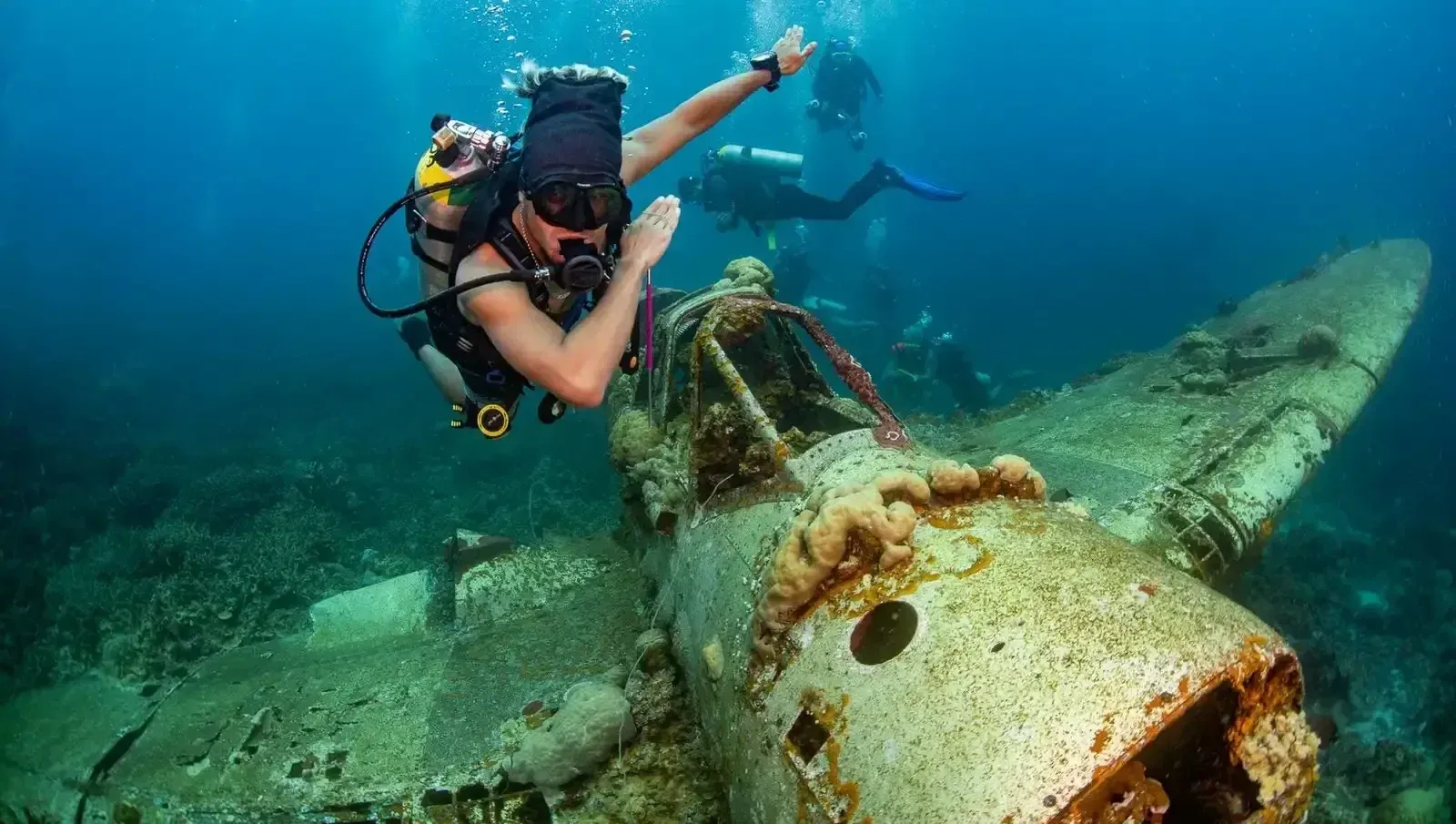
Scuba diver swimming over a sunken airplane wreck underwater
June 24, 2026
A ten-night dive adventure in Palau with Sam's Tours — Blue Corner, WWII wrecks, coral gardens, and a deeply personal brother reunion 20 years in the making.
Rows of hanging clothes in a shop, with garments displayed from floor to ceiling.
By Samuel Bachar September 9, 2025
Embarking on a scuba diving adventure is a thrilling experience. Whether you're a seasoned diver or a beginner eager to explore underwater, the importance of properly maintained and reliable scuba diving equipment cannot be overstated.
Scuba diver and sea turtle swimming above a colorful coral reef in clear blue water
September 9, 2025
A dive travel story following a week at Mayan Princess Beach & Dive Resort in Roatán, Honduras — exploring Caribbean reef sharks, wrecks, Garifuna culture, and local food.

A lush green island rising from bright blue ocean under a partly cloudy sky
September 9, 2025
Explore Saba's world-class diving, charming village life, and dramatic volcanic landscapes in this firsthand travel account from the "Unspoiled Queen" of the Caribbean.
Scuba diver photographing a colorful coral reef underwater
September 9, 2025
Explore how mindful diving practices and coral reef restoration efforts work together to protect our oceans, and discover how you as a diver can make a real difference.
Scuba diver in black gear underwater, holding a camera and flashing a hand signal
September 9, 2025
A deep dive into the history of BCDs, the revolutionary backplate and wing design, and why experienced divers swear by it for buoyancy control, comfort, and customizability.
Camera rig with dual LED lights on a wooden table, outdoors with a blurred beach background
September 9, 2025
A dive center owner's personal review of the Divevolk SeaTouch 4 Max underwater phone housing, comparing it to competitors and sharing pro tips for underwater phone photography.
Two scuba divers underwater, one in foreground with mask and orange fins, holding a guide line
By Samuel Bachar September 9, 2025
Coastal ocean currents are fascinating phenomena that have a significant impact on marine environments and various aquatic activities, including diving. Understanding the diverse types of currents, the forces shaping their existence, their implications for divers, and the strategies for safe interaction are paramount for an enriching and secure diving experience.
Three side-by-side close-ups of a skin rash labeled by date, showing changing redness and texture
By Samuel Bachar September 9, 2025
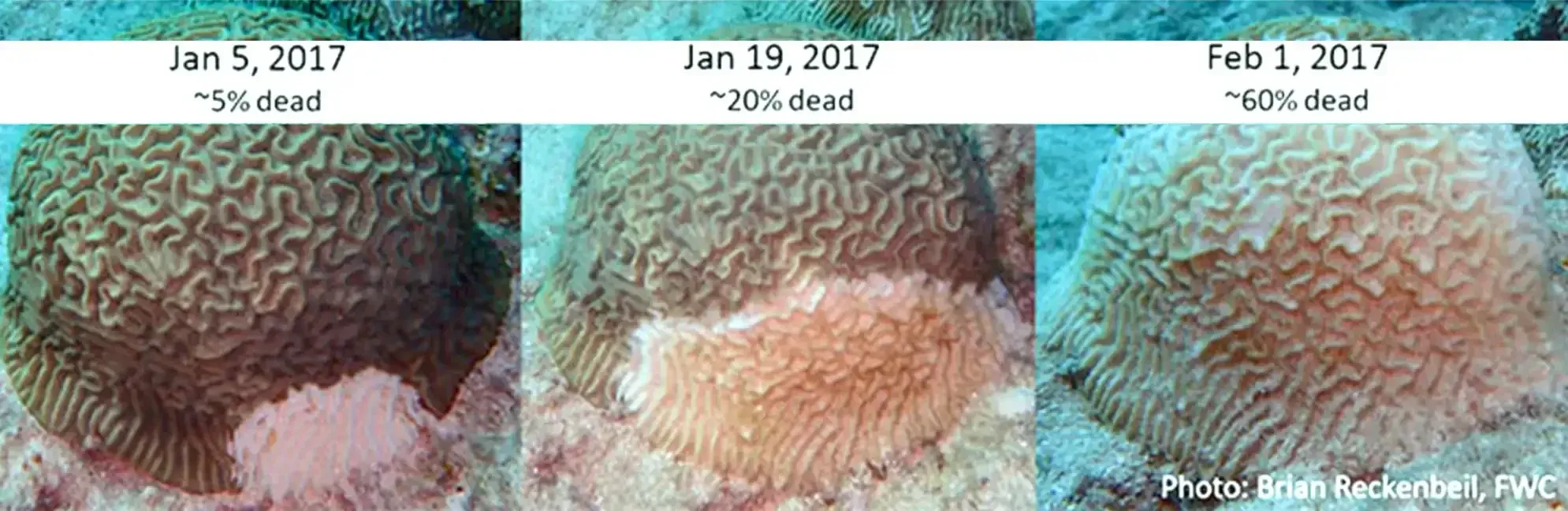
In the azure waters of the Caribbean, a silent menace is unraveling the vibrant tapestry of coral ecosystems, casting a shadow over the very heart of paradise. Stony Coral Tissue Disease (SCTLD), a devastating affliction first identified off the coast of Florida in 2014, has morphed into a formidable threat, leaving a trail of destruction across coral reefs in its wake.
Great white shark swimming underwater near a diver
By Samuel Bachar September 9, 2025
Sharks, the ocean's silent hunters, have ignited a mix of fear and fascination for centuries. This guide equips you with the knowledge and best practices for an unforgettable encounter with sharks, ensuring their well-being and a healthy aquatic environment.
Show More