


Supporting Reef Restoration Through Mindful Diving Adventures

September 9, 2025

Share this article

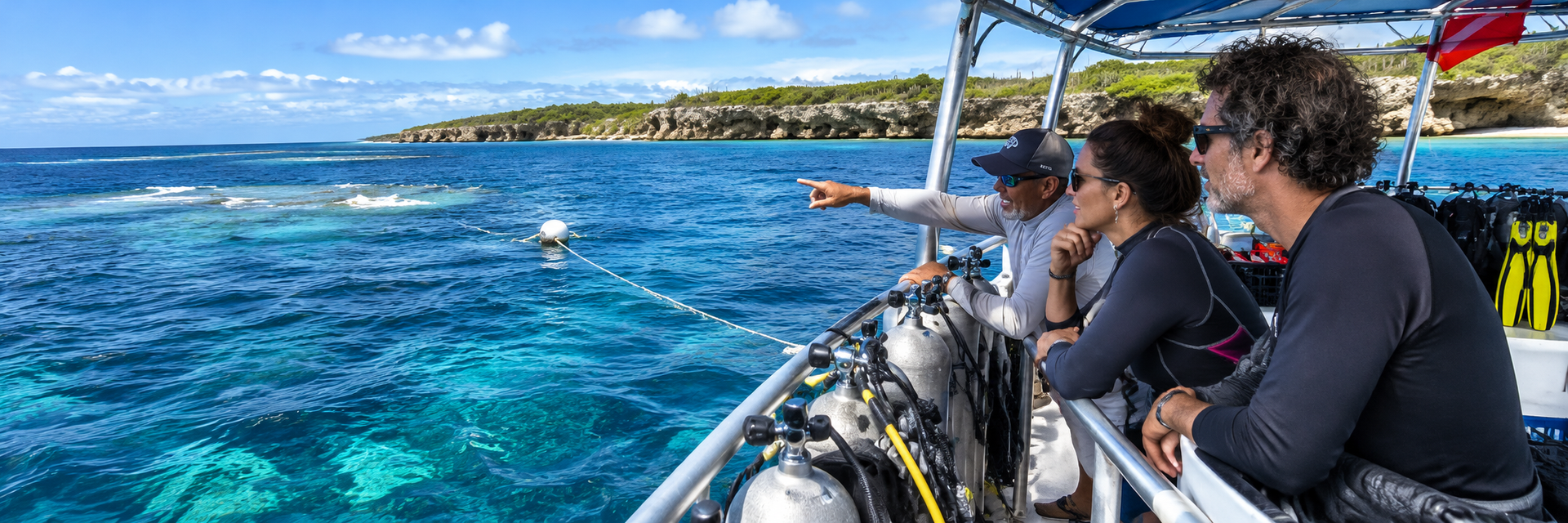
Imagine gearing up for a dive, the sun dancing on gentle waves as you prepare to roll backwards into a world of color. As divers, we know the thrill of descending into a vibrant coral reef teeming with life. But we also witness firsthand the changes in these fragile ecosystems - from bleached corals to fewer fish - reminding us how delicate reefs truly are. Coral reefs cover less than 1% of the ocean floor, yet they support at least 25% of all marine life, making them critical to ocean health. They also support the livelihoods of around 1 billion people and provide services valued at up to $9.9 trillion annually, ranging from fisheries to coastal protection. Unfortunately, our beloved reefs are under threat: we've already lost an estimated 14% of coral reefs since 2009, and scientists warn that up to 90% of remaining reefs could disappear by 2050 if we don't act. This is why coral reef restoration and mindful diving have become rallying cries in the dive community. In this article, we'll explore what mindful diving means and how it helps reefs, delve into inspiring reef restoration efforts (and why they're so urgent), examine how local communities benefit, and highlight how each of us as divers can contribute to restoring and protecting the reefs we love.

Mindful Diving: Protecting Reefs One Dive at a Time

Diving isn't just about where we go, but how we go. Mindful diving means exploring the ocean with care, awareness, and respect for marine life at all times. Every time we descend, we have a choice - to leave no trace or unknowingly harm the reef we're there to enjoy. Being a mindful diver starts with mastering the basics: buoyancy control is your best friend. Good buoyancy prevents you from bumping or scraping the reef accidentally. Ever seen a diver kick up a cloud of sand or knock a bit of coral with a fin? It may seem minor, but one misplaced fin kick can break fragile corals that took decades to grow, or stir up sediment that smothers the reef. By hovering effortlessly, you avoid damaging what's beneath you and also enjoy a clearer view (no sand in the water and no guilty conscience!).

Being mindful also means respecting marine life. We're visitors in the fish's home, after all. That moray eel peeking out of a crevice or the timid clownfish in its anemone - they'll stay relaxed and visible if you keep a respectful distance. Chasing or touching creatures not only stresses them (imagine a giant hand grabbing at you!) but can also remove their protective slime layers or damage a coral's delicate tissue. The best encounters happen when marine animals act naturally, so patience is key. Slow down, breathe easy, and observe. Ironically, this makes for a better dive: you'll spot more subtle creatures and behaviors you'd miss if you were charging around. As one ethical diving motto puts it, "Take nothing but pictures, leave nothing but bubbles." By keeping our hands to ourselves and our interactions gentle, we ensure that the next diver - or the next generation - can experience that same magic.

Mindful diving isn't about being a killjoy or diving like a robot following a bunch of rules. It's about adopting a mindset of respect and responsibility for the underwater world we cherish. For example, before a dive, you might double-check that your gear is secured (so nothing dangles and drags on coral) and brief yourself on that site's guidelines (some places ask divers not to wear gloves or to use a pointer stick only on bare rock if needed for balance). Little habits like these become second nature and make a massive difference over time. You'll also find that diving mindfully connects you more deeply to the environment - you become aware of the surge of the water, the movements of fish, the tiny details, almost like an underwater meditation. And by being fully present, you'll come up from the dive not only with great memories, but the satisfaction that you honestly acted as a guest, not a bull in a china shop. In short, mindful diving is the first step in any diver's journey to becoming an ocean guardian. It's something we can practice on every single dive, whether on a pristine reef or a training dive at the local quarry.

Reef Restoration in Action: Healing the Reefs We Love

Even as we divers do our best to minimize harm, the reality is that coral reefs worldwide are struggling to recover on their own. That's where coral reef restoration comes in. In simple terms, coral reef restoration is the process of actively helping a damaged reef recover - essentially transplanting corals to "reforest" a depleted reef, much like replanting trees in a burnt forest. It often starts in a coral nursery. If you've never seen one, imagine an underwater garden or coral farm: sometimes it looks like a tree made of PVC pipes with coral fragments hanging from it like ornaments, swaying in the current. Other times, it's a grid of frames or ropes where tiny coral pieces grow. These nurseries protect baby corals from predators and give them ideal conditions to grow quickly. After 6-12 months (or however long it takes for them to reach a healthy size), divers carefully outplant these corals onto degraded reef areas - attaching them to wild reefs using cement, epoxy, zip-ties, or nails, depending on the method. The goal is to revive a reef by adding hardy new corals that can replenish the habitat.

Such hands-on efforts give corals a second chance to grow on damaged reefs. Coral restoration is a labor of love - it's meticulous, time-consuming, and often done one fragment at a time - but it can yield tangible results. For instance, across the Caribbean, there are now more than 20 coral nurseries producing over 40,000 coral fragments each year for transplanting. Each of those fragments, once planted onto a reef, can grow and form a new habitat for fish, lobsters, and all the reef's residents. In Florida, where some reefs had dwindled to just a few percent coral cover after 40 years of decline (nearly 90% of live corals in the Florida Keys have been lost over a few decades), restoration teams are mounting an ambitious effort to turn the tide. NOAA's Mission: The Iconic Reefs project, for example, is a multi-year plan to restore seven key reef sites in the Florida Keys. By the end of this effort, they aim to raise coral cover from just 2% today to about 25% at those sites - a huge boost that could bring back vibrant reef life to almost barren areas. It's essentially gardening underwater, and early signs are promising: one recent project in the Keys produced more than 30,000 new branching corals, far exceeding its goal. (And those corals even survived a bleaching event, suggesting they're tougher than average.)

Around the world, similar "coral gardening" efforts are blossoming. In the Great Barrier Reef, scientists and volunteers are planting fragments of fast-growing corals on damaged patches and even experimenting with techniques like "coral IVF" - capturing coral spawn during mass spawning events to raise larvae and re-seed reefs. In places like Indonesia and the Maldives, resorts and NGOs set up coral frames that guests can help plant, allowing travelers to leave a positive mark. There are also cutting-edge projects developing heat-resistant corals by selectively breeding corals that survived recent heat waves, hoping their offspring will better withstand warming seas. Restoration isn't limited to corals either - some projects focus on restoring reef habitat by removing invasive predators, such as certain starfish or snails that eat corals, or rebuilding reef structure using artificial reef substrates, like reef balls or metal frames, to provide corals with a place to latch on.

It's essential to be realistic: restoration is not a silver bullet. If carbon emissions and ocean warming continue unabated, it's like mopping up water in a sinking boat. We need to tackle the root causes (climate change, pollution, overfishing, and poor infrastructure in coastal areas) in parallel. However, restoration provides hope and immediate help on a local scale. Think of it as an intensive care unit for reefs - we may not save every patient (every reef), but we can nurse many back to health or at least buy time until, hopefully, global conditions improve. And for those reefs we do restore, the impact can be life-changing for the marine life and the people who depend on them.

Community Impact: How Healthy Reefs Benefit People

Coral reef restoration isn't just about the corals and fish - it's about people, too. Healthy reefs have a direct ripple effect on local communities, especially in tropical regions. Consider the many coastal villages and towns where fishing is a primary livelihood. I once spoke with a fisherman from a small island nation who told me how his catch dropped noticeably after the nearby reef bleached - fewer corals meant fewer fish and a more complex life for his family. His story echoes a broader truth: hundreds of millions of people depend on coral reefs for food, income, and cultural traditions.

Tourism is another big piece of the puzzle. Many tropical economies rely on visitors drawn to the allure of coral reefs - whether it's divers like us, snorkelers, or even those enjoying reef-inspired white sand beaches. A single healthy reef can support dive shops, tour guides, hotels, restaurants - an entire local economy. Take the Florida Keys, for example: the reef there isn't just an ecosystem; it's the backbone of the tourism industry. When the corals suffered significant losses, it prompted action not only from scientists but also from local businesses, because their fate is closely tied to the reef's. Restoring the reef is as much about protecting the economy that depends on it as it is about nature itself. The same is true in places like the Maldives, Belize, or Fiji - reefs attract visitors from around the world, and those visitors support community jobs. A reef teeming with life means returning guests and sustainable business; a reef in decline can mean lost income for dive instructors, boat operators, and countless others.

There's also the coastal protection aspect. Reefs serve as natural breakwaters. Those massive waves that roll in from the ocean? Reefs help break them up before they hit the shore. In doing so, coral reefs protect coastal communities from erosion, storm surges, and even tsunamis. It's often said that without reefs, many low-lying islands and beaches would wash away. So by restoring reefs, we're also fortifying shorelines and potentially saving homes and infrastructure from storms.

Perhaps one of the most heartening community impacts of reef restoration is how it can bring people together. Many projects intentionally involve residents - training them as coral gardeners, or hiring local divers to maintain nurseries. This creates jobs and instills a sense of pride and stewardship. In Fiji, for example, some villages have "reef champion" programs where local youth learn to propagate corals and take ownership of their section of the reef. In the Caribbean, organizations partner with indigenous communities and fishers, blending traditional knowledge with new techniques. This inclusivity means restoration isn't an outsider's project; it becomes our project. When a community member physically helps reattach a coral fragment and later sees a thriving mini-reef there, it forges a powerful connection. The reef is no longer just under the water; it's in their hearts.

In summary, healthy reefs and healthy communities go hand in hand. By supporting reef restoration, we're not only saving corals and fish - we're helping the people who rely on reefs for their food, jobs, and safety. It's all interconnected. As divers, understanding this bigger picture makes each dive feel even more meaningful: we're enjoying something beautiful that also happens to be the lifeblood of so many coastal cultures and economies. It gives us that much more motivation to protect and restore these underwater rainforests.

How Divers Can Make a Difference

So, what can we do, as everyday divers, beyond our mindful diving practices? The good news is that divers are actually in a unique position to make a contribution. Our passion, combined with the fact that we literally immerse ourselves in the environment, means we can identify problems early and be part of the solution. Here are several impactful ways divers can help support reef restoration and conservation:

Be an ambassador for responsible diving: make eco-friendly choices a habit and share them with others. For instance, choose dive operators that respect the environment (look for those who use mooring buoys instead of dropping anchors on reefs, follow local conservation rules, or have Green Fins certification). By giving your business to responsible operators, you encourage the entire industry to be more reef-conscious. And don't be shy to lead by example - if you have great buoyancy or you always collect a bit of trash during a dive, others will notice and be inspired. By being a role model underwater, you can indirectly influence your dive buddies to be gentler and more aware as well.

Participate in citizen science: Scientists can't be everywhere, but divers kind of are! All over the world, recreational divers volunteer their time to monitor reefs and gather essential data. Organizations like Reef Check train divers as "EcoDivers" to survey coral health, fish populations, and other marine life. Reef Check is the world's most extensive international coral reef monitoring program, involving volunteer divers in 82 countries. That's an incredible thought - your fun dive in the Maldives or Honduras could double as a data-collection mission that helps researchers track global reef trends. Other programs include Coral Watch, where you use a simple color chart to record coral bleaching, or fish count events like the Great Annual Fish Count. Participating is usually as easy as taking a short course or even just following a protocol and submitting your observations. Not only do you get to dive with a purpose, but you'll also sharpen your observation skills (ever try counting fish while maintaining neutral buoyancy? It's a fun challenge!). Over time, the data collected by citizen scientists has been crucial in understanding reef health and advocating for protection.

Volunteer for hands-on restoration work: If planting corals sounds fascinating to you, opportunities exist for recreational divers to get involved in restoration projects. Some marine conservation organizations and local NGOs offer "coral restoration dives" where you can help in nursery maintenance or outplanting. For example, in Florida and the Caribbean, the Coral Restoration Foundation and other groups run programs that take certified divers to coral nurseries to clean algae off growing corals or outplant them onto damaged reef sections. Some organizations also run volunteer vacation programs where you can spend a week or more doing restoration work under the guidance of scientists. It's a fantastic way to give back during your dive trips. (Pro tip: It often helps to be at least an intermediate diver with good buoyancy before handling corals - so that's yet another motivation to refine those skills!). Even if you can't travel specifically for this, keep an eye out for local reef cleanups or community science projects next time you're on a dive holiday. Many dive shops organize reef or beach clean-up dives, and removing debris like fishing lines or plastic bags from a reef is another immediate way divers help reefs recover.

Support reef-friendly initiatives on land: You don't have to be underwater to make a difference. Simple choices like using reef-safe sunscreen (or wearing a rash guard and skipping the sunscreen altogether) prevent harmful chemicals from seeping into the ocean and affecting corals. Being conscious of water use and pollution on land, for example, avoiding single-use plastics that might end up in the sea, or properly disposing of waste, all contribute to a healthier ocean. Some divers participate in fundraising events or donate to organizations doing reef restoration. Others get involved in advocacy, supporting the creation of marine protected areas or policies to reduce overfishing. As lovers of the ocean, we have a voice in our communities. Sharing your passion and knowledge with friends and family can inspire others to care about coral reefs, even if they're not divers themselves. The next time there's a petition to ban a harmful reef pesticide or to expand a marine park, you could be the one educating and rallying people to support it.

Finally, one of the most rewarding things you can do is to keep learning and stay engaged. The ocean is ever-changing, and so is our understanding of it. Take that Fish ID course, or the PADI AWARE Coral Reef Conservation specialty, or attend a talk about climate impacts on reefs. The more you know, the more effective you can be in protecting what you love. Plus, as you learn, you'll likely meet like-minded dive enthusiasts and build a network, perhaps even buddies to plan the next eco-trip with! Each of us started diving because we were drawn to the beauty beneath the surface. By channeling that love into action, we ensure that these wonders will be around for generations of divers to come. Remember that as a diver, your skills and passion are an asset to the conservation community. Few people get to see what we see; our stories can influence others, and our direct actions, even as simple as picking up one piece of trash or reporting a bleaching sighting, can contribute to a larger solution.

Pro Tips for Reef-Friendly Diving

Every diver can practice reef-friendly habits on each dive. Here are some pro tips to minimize your impact and maximize your positive influence:

Perfect your buoyancy: Being neutrally buoyant is crucial. Perform a buoyancy check at the start of your dive and adjust your weights as needed. During the dive, use your breath and BCD to hover a safe distance above corals. This avoids accidental contact or kicking up sediment.

Streamline your gear: Secure gauges, cameras, and accessories close to your body. Dangling gear can drag on corals or stir up the bottom. The more streamlined you are, the less likely you'll snag something (and as a bonus, you'll have less drag and better air consumption).

Look but don't touch: A good rule is to keep your fingers off the reef and maintain a comfortable distance from marine life. Corals are living animals, not rocks - even a light touch can damage them or stress the creatures that live on them. Resist the urge to collect "souvenirs" too; that pretty shell or piece of coral belongs on the reef, not in your pocket.

Please don't feed the fish: It might seem harmless to offer a bit of bread or a banana to fish, but feeding wildlife can disrupt their natural behavior and diet. Fish that humans feed can become aggressive or stop foraging for their regular food. It's best to let wild animals find their meals.

Use reef-safe sunscreen: If you're in sunny tropical waters, choose sunscreens that don't contain oxybenzone, octinoxate, or other reef-harming chemicals. Better yet, wear a UV-protective shirt or wetsuit so you don't need as much sunscreen. What washes off of us ends up on the reef, so it's worth using products that won't harm coral larvae.

Stay off the bottom: When you need to stabilize yourself for a photo or in a surge, find a bare rock or sandy spot to touch if necessary, gently. Never grab or stand on coral - it's fragile and can die from the pressure. Avoid kneeling on the bottom in areas where there might be camouflaged critters; use a floaty dive position instead.

Be a debris hunter: Consider carrying a small mesh bag and a line cutter on dives. If you see trash that's safe to remove, like a plastic bottle, fishing line, or old plastic bag, grab it and pack it out. Every bit of rubbish removed is one less hazard for the reef. Just be cautious when removing things that animals might be using. If a fish has made a can its home, leave it be. If fishing line is tightly wrapped around coral, don't rip it out and further harm the coral - report it if you can't remove it gently.

Support local conservation: Before or after your dive, engage with local conservation efforts. Is there a community coral nursery you can visit or donate to? A talk at the dive center about marine life? Showing interest encourages those initiatives. And if you're renting gear or taking a course, choose operators that are known for their eco-friendly practices.

By following these tips, you ensure that your bubbles are blown with purpose. Each respectful dive is a vote for the reefs' survival, proving that divers can be some of the ocean's best allies rather than inadvertent vandals. As that saying goes, we want to leave nothing but bubbles - and even those, only in the water and not in the coral's face!

Conclusion

Coral reefs are at a crossroads, and so are we as divers. The choices we make - from how we dive to how we engage with conservation - will shape the future of these irreplaceable ecosystems. The main takeaway is simple but powerful: our actions underwater matter. By embracing mindful diving practices, we prevent harm to the very reefs that give us joy. By supporting and even participating in reef restoration, we help heal wounds and give nature a boost to recover. And by spreading awareness and caring for the ocean in our daily lives, we amplify a message of hope and responsibility.

It's easy to feel daunted by the scale of the problem. Climate change, pollution, mass bleaching - the challenges are real, and no one diver or one project can fix everything. But that doesn't mean our efforts don't count. On the contrary, they count more than ever. Each coral fragment replanted, each piece of trash removed from a reef, each new diver taught to respect marine life, each vacation dollar spent on an eco-friendly dive resort - it all adds up. Reef by reef, person by person, we can spark change. Restoration successes around the world have shown that, given a chance, reefs can be surprisingly resilient. Corals want to live; we need to give them the conditions to do so.

As an experienced diver, I've had moments of despair - seeing a beloved reef I dived years ago now reduced to rubble after a Stoney Coral Tissue Disease pandemic event - but I've also had moments of profound inspiration, like watching a transplanted coral spawn for the first time, or seeing fish return to a once silent reef. The ocean has an incredible capacity for renewal if we help safeguard it. We shouldn't romanticize the task at hand: restoring reefs is a long, arduous journey, and there will be setbacks. But there is also great beauty in being part of the solution. It turns our dives into something richer than sightseeing; they become acts of stewardship.

In your future diving adventures, I encourage you to dive with purpose. Enjoy the thrills, the sights, the camaraderie - all the things that make diving wonderful - and carry with it a conscious respect for the ocean that hosts us. Whether you're blowing bubbles over a coral nursery you volunteered at, or simply adjusting your fins to avoid a fragile sea fan, you are supporting reef restoration in ways big and small. And importantly, share your enthusiasm and knowledge. Passion is contagious. When your non-diver friends hear how excited you are about planting corals or how heartbroken you were to see a bleached reef, it registers. You become an advocate just by being openly committed.

The story of coral reefs isn't finished yet. With mindful actions and collective effort, we can help write a brighter chapter - one where future divers will still marvel at coral gardens brimming with life, thanks in part to the work we start now. Supporting reef restoration through mindful diving adventures is really about love - love for the ocean, translated into action. And as every diver knows, once you've fallen in love with the underwater world, you carry that love forever. Let's make sure our love counts. The reefs depend on it, and so do we.

FAQ: Reef Restoration and Mindful Diving

Can reef restoration save dying coral reefs in the face of climate change?

Reef restoration is not a magic fix for all that ails coral reefs, especially given the magnitude of climate change. Think of it this way: if climate change is a raging fire, restoration is like helping plant new trees after the blaze - it doesn't stop the fire, but it allows the forest to regrow where it can. Restoration projects do make a meaningful difference on a local scale. They have revived degraded reef patches, increased local fish populations, and preserved genetic stocks of corals that might have died out. For example, transplanted corals have brought life back to sites in Florida and the Indian Ocean that were once bleak. However, these efforts will only truly thrive in the long term if we also address global threats. Mass bleaching events, driven by warming, can affect even restored corals, and no amount of nursery work can keep pace if oceans continue to heat unchecked. So, restoration is one part of the solution - it buys time and saves key areas. Still, it must go hand in hand with reducing greenhouse gas emissions, improving water quality, and protecting reefs from overfishing. The consensus among scientists is that we need to do "all of the above." The encouraging news is that when we stabilize the climate and give reefs a break, restored areas stand a much better chance of recovering and spreading. In summary, reef restoration can save reefs locally and is worth doing, but it's most effective as part of a broader strategy that includes serious climate action.

What exactly does mindful diving involve, and how can I practice it?

Mindful diving is all about being consciously aware of your interactions with the underwater world and minimizing your impact. In practice, it means maintaining good buoyancy (so you're floating rather than standing or bumping into the reef) and keeping your body and gear under control. Before the dive, streamline your equipment - tuck away that pressure gauge and secure your octopus - to avoid accidental snagging on corals. During the dive, move slowly and deliberately. Keep an eye on your fins' position behind you, especially in tight spaces. A considerable part of mindful diving is the "no touch, no take" principle: avoid touching marine life or corals, and don't collect souvenirs (such as shells or chunks of coral) even if they appear loose or dead. Also, be mindful of where you drop into the water and ascend - for instance, avoid kicking near shallow coral heads. If you're taking photos, practice good underwater photography etiquette: stabilize yourself without harming the environment (use a pointer stick on rock or hover rather than leaning on corals), and don't corner or harass creatures for a shot. Essentially, treat everything as if it were fragile (because it is) and give animals space. Another aspect is being mentally present: enjoy the moment and observe - you'll naturally become more careful and attuned to your surroundings. If you're new and still working on buoyancy, consider doing a Peak Performance Buoyancy course or asking more experienced divers for tips - it can make a world of difference. The fact that you're asking this question is a great sign; it means you care, and that's the core of mindful diving. With experience, it will become second nature to you to dive considerately. And trust me, it enhances your dive experience when you know you're seeing the reef in its full glory without taking anything away from it.

I'd love to help with coral reef restoration as a diver - how can I get involved? Do I need special training?

It's fantastic that you want to get involved! There are several ways to contribute to reef restoration as a diver, ranging from simple to more hands-on:

Volunteer on restoration projects: Many organizations welcome recreational divers to help with their efforts. Some, like Coral Restoration Foundation in Florida or Reef Renewal in the Caribbean, have programs where certified divers can assist in the field. Typically, you'd take a short orientation or workshop to learn the dos and don'ts (for example, how to handle corals gently or clean nursery structures). Then you can join scheduled dives to work on the nurseries or outplant corals. These activities are usually supervised by scientists or trained staff. Basic requirements are that you're a reasonably confident diver (usually Advanced Open Water or equivalent, with solid buoyancy skills, is preferred) and, of course, you'll need to travel to the project's location. Some dive shops in popular areas like Bonaire, Koh Tao (Thailand), or the Maldives have integrated coral restoration dives - you can sign up as if it were a fun dive, except part of the dive will be spent doing tasks like attaching coral fragments to frames. It's hands-on, educational, and rewarding.

Join citizen science and monitoring efforts: As mentioned earlier, programs like Reef Check train divers to do reef surveys. This indirectly aids restoration by providing data on where intervention is needed and how restored sites are faring. Getting Reef Check EcoDiver certified or participating in a similar program (some areas offer their own reef monitoring training) typically involves a few days of learning species identification and survey methods. Once certified, you can join survey trips globally. It's not planting corals directly, but it's important work that supports reef conservation and management.

Engage in local conservation events: If you live near the coast (or even if you don't), look for reef-related volunteer opportunities. Maybe a local aquarium has a diver volunteer program that helps care for their coral exhibits, which in turn raises public awareness. Or perhaps a university research team needs volunteer divers for a summer project (sometimes they do, especially if you have some scientific background). NOAA's volunteer program notes that volunteers help with activities from coral surveys to marine debris cleanups. Additionally, beach clean-ups, mangrove planting, or other ecosystem restoration work on land also indirectly benefits reefs, and divers often participate in these efforts as part of the broader effort to protect coastal environments.

Take a course or internship: If you're keen, there are professional courses, such as PADI's Coral Reef Restoration specialty, or academic field courses that teach the science and methods of restoration. These can be a springboard to more structured involvement. Some people even go for more extended volunteer expeditions or internships with groups like GVI, Blue Ventures, or local marine parks, where you might spend several weeks doing conservation work, including coral rearing. These usually require a fee to cover costs, but you gain a ton of experience.

You don't necessarily need to be a scientist - just a passionate diver willing to learn and follow instructions. The key is to connect with the organizations or groups doing the work. A good first step is to reach out to dive shops or marine conservation NGOs in the area you're interested in. Ask if they have volunteer opportunities or know of projects you can join. Social media and community forums, such as regional scuba clubs or conservation Facebook groups, can also help find out what's happening. When you do get a chance to help, they'll usually teach you everything you need to know on-site. And don't worry, no one will expect you to do complex tasks alone - it's always a team effort. By getting involved, you not only help the reef directly, but you'll also learn a great deal and likely make new friends who share your passion. It's a win-win for you and the ocean! Happy diving - and thank you for wanting to make a difference. Your enthusiasm is exactly what reefs need right now.

Recent Posts

By Samuel Bachar • November 17, 2026
Experienced divers learn that a good dive begins before entering the water. Before entering any site, they spend time observing conditions, asking questions, and forming a plan that accounts for what the water is actually doing. This guide covers the five elements of a practical pre-dive site assessment: current, visibility, surge, timing, and entry and exit planning. It also covers when conditions mean the right decision is not to dive. These are not advanced techniques. They are habits that any certified diver can develop, and they change the quality of every dive. Reading Current Current is the single most important environmental variable on most dive sites. It determines where you enter the water, which direction you travel, how long the dive lasts, and how much air you consume. Getting current wrong costs time, energy, and air. Reading it correctly before you get in sets the foundation for the rest of the dive. Surface Indicators Start at the surface. Look for the way water behaves around fixed structures: a reef corner, a mooring line, the anchor chain, the dive ladder. Water piling slightly on one side of a structure and pulling away from the other gives you direction. The movement of floating debris, foam, or surface disturbance tells you speed and direction at the surface level. A mooring line or descent line may offer clues about current direction and strength. Watch how it behaves, but remember that line tension, boat movement, and current at different depths can all affect what you're seeing. Surface vs. Depth: They Are Not Always the Same This is the most important nuance in reading current. Surface conditions give you a starting point, but current direction and strength can change throughout the water column. A calm surface can have a strong current running along the wall at twenty meters. A choppy surface with visible current can be calm at depth. Thermoclines, bottom topography, and tidal dynamics all influence how current behaves below the surface. The practical response: treat your surface observation as an informed estimate. Confirm what the current is actually doing during your descent and in the first minutes of the dive. If conditions at depth differ significantly from what you observed at the surface, reassess the plan before committing to the dive direction. Tidal Influence At many tidal sites, current direction and strength change through the tidal cycle. The timing of those changes doesn't necessarily match high and low tide, and local topography can create complex patterns that vary from site to site. Slack water around the tide change is often the calmest window for diving certain sites, but the timing requires local current information rather than tidal tables alone. Local knowledge is valuable here. Experienced guides and local operators know how a specific site responds to the tide at different times of year. That information is worth asking for before you dive an unfamiliar site. Planning Around Current The standard approach on a current-influenced site is to begin the dive into the current and return with it, so that the effort portion of the dive happens when your air is full and your energy is highest. On drift dives, this logic is reversed by design: you enter and let the current carry you, with the boat following. Either way, the current is a parameter you plan around, not a surprise you manage underwater. Current that is manageable at the start of a dive can become significantly stronger as tidal conditions shift during the dive. Build a conservative turnaround point into your plan, and stick to it. Assessing Visibility Visibility shapes the character of a dive more than almost any other factor. It determines how far you can see, how you navigate, how you maintain buddy contact, and what kind of experience you'll have at a given site. Assessing it before you enter lets you adjust the dive plan accordingly. What Affects Visibility Several factors influence underwater visibility at any given site and time: Rainfall and runoff Heavy rain washes sediment, freshwater, and organic material into the sea. Visibility on nearshore reef sites often drops significantly after rain, particularly in areas with rivers or developed shorelines nearby. It typically recovers within one to several days depending on current and water movement. Current direction Current can either carry sediment away from a site, improving visibility, or bring it in, reducing it. The same site can have very different visibility depending on which direction the current is running. Bottom composition Sand and silt sites lose visibility quickly when disturbed by surge, diver movement, or current. Sites over rock, hard coral, or rubble tend to recover faster and maintain better visibility under similar conditions. Time of day and sun angle Low sun angles in early morning or late afternoon can create backscatter and reduce effective visibility even when the water is clear. Midday sun overhead often provides the most even lighting for diving, though this varies by site orientation and depth. Plankton and biological activity Plankton blooms reduce visibility but can also indicate conditions that attract large filter feeders. Green or murky water isn't always a sign of poor conditions: it depends on what you're hoping to observe. Adjusting the Plan for Visibility Conditions Low visibility is not automatically a reason to cancel a dive, but it requires adjustments. Buddy contact protocols need to be tighter. Navigation references need to be closer and more frequent. Depth limits may need to be shallower to maintain visual contact with the reef or bottom structure. The dive plan that works in twenty-five meter visibility does not automatically work in five meters. Low visibility can also produce a more intimate, close-range experience on a site you already know well. When conditions narrow your visual field, you often slow down and observe more carefully what is directly in front of you. Many divers find this produces better encounters with small reef life than a wide-open high-visibility dive. The key is that conditions remain suitable for the divers and the specific dive plan in place. Know what the visibility actually is before you plan the dive, not after you get in. If no recent report is available from the site, watch for the water color and clarity from the boat before entry. Understanding Surge Surge is the back-and-forth horizontal water movement generated by wave action at the surface. Unlike current, which moves consistently in one direction, surge oscillates: it pushes you toward the reef and then pulls you away, repeatedly. It is most pronounced in shallow water and diminishes with depth, though on exposed sites it can be felt at ten to fifteen meters or deeper. Why Surge Matters Surge affects how you hold position near the reef. In moderate surge, you spend energy compensating for the back-and-forth movement rather than observing. In heavy surge, maintaining safe distance from the reef becomes difficult, and contact with coral or rock is a real risk. Entry and exit points that are easy in calm conditions can become hazardous when surge is running. The practical consequence: assess surge before the dive, not after you are in the water at the reef. A site that is excellent in calm seas may be inappropriate on a day with significant swell. Reading Surge from the Surface Swell height and period are the primary indicators. A long-period swell (ten seconds or more between waves) generates more pronounced surge at depth than a short-period chop of the same height. Watch how the water moves around the entry point and along the reef edge. A surge that is washing back and forth across a shallow section is telling you something about conditions at depth on that site. Local guides and operators know how specific sites respond to swell. A site facing a particular direction may be surgy in conditions that leave a nearby protected site completely calm. That local knowledge is one of the most practical assets available on an unfamiliar dive destination. Consider how surge may affect your ascent, safety stop, and final exit. Surge is typically more pronounced in shallower water, so conditions at five meters may be significantly different from what you experienced at depth. If shallow conditions are unsuitable, plan an appropriate alternative before entering the water. Timing Your Dives Timing is one of the most underestimated variables in dive planning. The same site can produce a completely different experience at different times of day, and at different points in the tidal cycle. Divers who think carefully about timing consistently find more interesting conditions than those who dive whenever the schedule allows. Tides and Current Windows On tidal sites, the relationship between tide state and current strength determines when the dive is best suited to the conditions you want. Slack water around a tide change is often the calmest period. Peak tidal flow can produce conditions that are challenging or unsafe at certain sites. On drift dive sites, outgoing or incoming flow at a particular strength may be exactly what you want. Getting this right requires knowing the local tidal pattern for the specific site. Tidal tables give you the framework. Local knowledge tells you how that site actually responds. Wind and Sea State Wind typically builds through the day in many tropical destinations. Morning dives often benefit from calmer sea state before afternoon trade winds develop. This is a general pattern, not a universal rule: local geography, season, and weather systems all modify it. The point is that sea state is a time-sensitive variable, and planning dives for the part of the day when conditions are typically best at a given location is worth the consideration. Animal Behavior and Timing Animal activity on a reef changes throughout the day. Predator activity tends to increase at dawn and dusk as light levels drop. Some species are more active at particular times. Cleaning stations tend to see more activity when fish are actively feeding and moving around the reef. Nocturnal species emerge after dark and retreat at first light. These patterns vary significantly by species, location, season, and local conditions. Rather than applying universal rules, the more useful habit is to factor in what you know about the specific animals you hope to observe at that site, and choose timing accordingly. Experienced local guides carry this knowledge and it is one of the most practical reasons to dive with someone who knows the site well. Timing a dive well isn't about following a formula. It's about asking the right questions before you get in: what are the tides doing, what is the wind likely to do this afternoon, and what do I know about how this site and its animals behave at this time of day? Entry, Exit, and When Not to Dive Entry and exit planning is where site assessment becomes most directly practical. A well-chosen entry point accounts for current direction, surge, the depth of the descent zone, and how you will reach the dive site efficiently. A well-chosen exit point accounts for where the current will carry you at the end of the dive, where the boat can reach you, and what your contingency is if conditions change. Planning the Entry For an out-and-back dive, the usual approach is to begin against the current and return with it, so the effort portion of the dive happens when your air is full and your energy is highest. For a drift dive, the entry is planned upcurrent of the intended route, with an appropriate exit or boat pickup arranged in advance. On surge-affected sites, choose an entry point that minimizes exposure during the most vulnerable moment, when you are in the water but not yet at depth. On boat dives, coordinate with the crew on the descent plan so everyone enters the same area and reaches the site together. Planning the Exit Know before you enter where you expect to surface, and what the alternative is. If the current pushes you past your planned exit point, where does it take you, and can the boat reach you there? If visibility drops during the dive and you need to ascend without the reef as a reference, what is your procedure? These are not catastrophic scenarios. They are foreseeable variations that a good exit plan accounts for in advance. Brief them with your buddy and, on a boat dive, with the crew before entry. When Not to Dive Deciding not to dive a particular site, or not to dive at all on a given day, is a legitimate and sometimes correct outcome of a site assessment. Conditions that exceed the experience level of the group, surge that makes the entry hazardous, visibility that makes the planned route unsafe, current that cannot be managed by the divers present: these are reasons to change the site, change the plan, or skip the dive. This is not a failure of planning. It is planning working correctly. The goal of a site assessment is not to find a reason to dive. It is to form an honest picture of conditions and decide whether the dive, as planned, is appropriate for those conditions and those divers. Sometimes the answer is no, and the right response is to act on that answer. A diver who has cancelled a dive for the right reasons has made a better decision than one who proceeded under poor conditions and got lucky. Developing the judgment to make that call is part of becoming an experienced diver. Building a Pre-Dive Assessment Routine Site assessment doesn't need to be a formal checklist. With practice, it becomes a natural part of arriving at a dive site. The goal is to make it a consistent habit, so that you are always entering the water with a current, informed picture of conditions rather than assumptions from the last time you dived the site. A Practical Sequence 1. Observe before you gear up Before you open your bag, spend a few minutes watching the site. Look at the surface, the entry point, and any visible underwater structure. This is when you form your initial read on current, surge, and visibility. 2. Ask for local information If you are diving with a local operator or guide, ask about conditions at the specific site before the dive. What is the current doing today? Has there been rain? Is surge a factor? Recent firsthand information is more reliable than general site descriptions. 3. Factor in the tidal cycle Know where you are in the tidal cycle and how that affects the site. If tides are relevant to current at the site, plan your entry timing around the conditions you want. 4. Brief the dive Before entry, confirm the plan with your buddy: entry point, direction, depth limit, turn point, exit point, and signals. Include what you will do if conditions at depth differ from what you observed at the surface. 5. Confirm at depth In the first minutes of the dive, confirm that conditions match your surface assessment. If the current at depth is different from what you expected, reassess the plan before continuing. 6. Stay flexible A plan is a starting point. Conditions change during a dive, and a good diver adjusts the plan in response. If conditions deteriorate during the dive, the plan you briefed before entry is the reference point for how to respond. None of this takes long. Five to ten minutes of focused observation and a clear pre-dive brief change the quality of the dive that follows, not because you eliminate uncertainty, but because you enter the water with a realistic picture of what to expect and a plan that accounts for it. Reading conditions is a skill that develops with practice and attention. The divers who do it well aren't necessarily the most experienced. They're the ones who have made a habit of paying attention before they get in. That's the difference between a diver who has done a lot of dives and a diver who has learned from them.
By Samuel Bachar • October 27, 2026
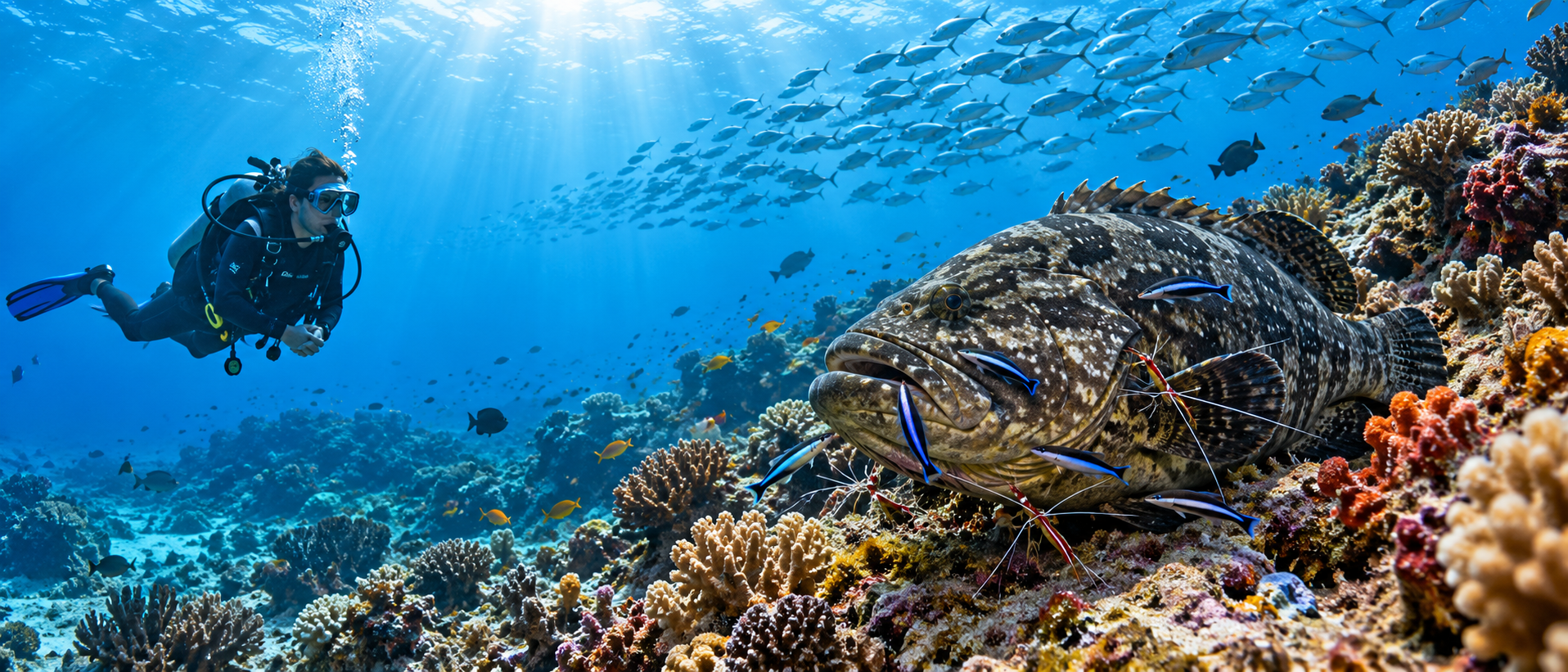
Coral reefs cover less than one percent of the ocean floor. They support roughly 25 percent of all marine species. The reef you dive is not a backdrop. It is one of the most intricate living systems on the planet, and once you understand how it works, you see everything differently underwater.
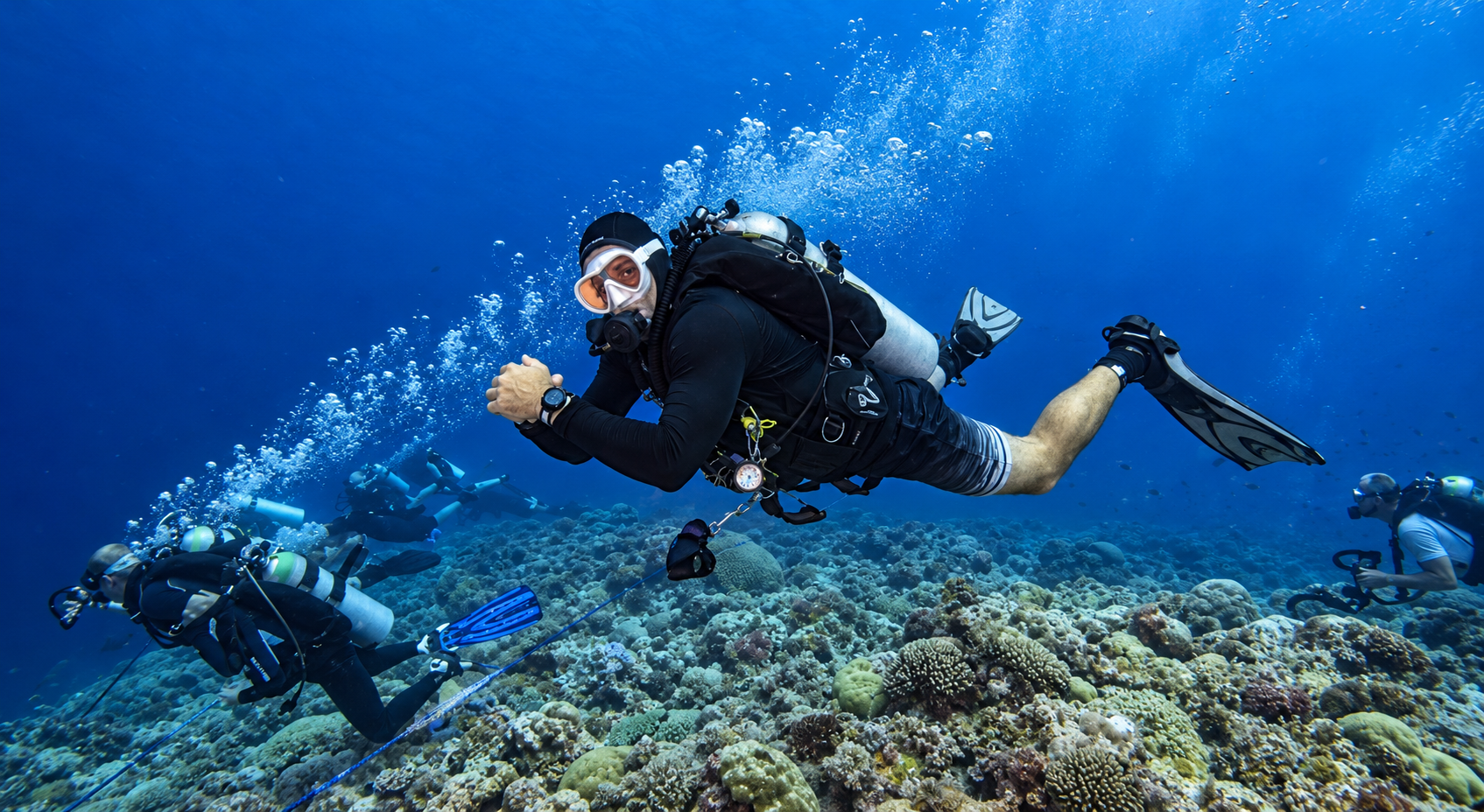
Scuba diver in a backplate and wing underwater, at the Blue Corner in Palau
By Samuel Bachar • October 24, 2026
Why I sold a brand-new BCD after one dive in Cozumel: what a backplate and wing change about trim, where it came from, and the honest trade-offs.
Scuba diver swimming over a sunken airplane wreck underwater
By Samuel Bachar • September 28, 2026
Ten nights diving Palau with my brother for his 60th: Blue Corner, Blue Holes, German Channel, the Iro Maru, and a reunion 20 years in the making.
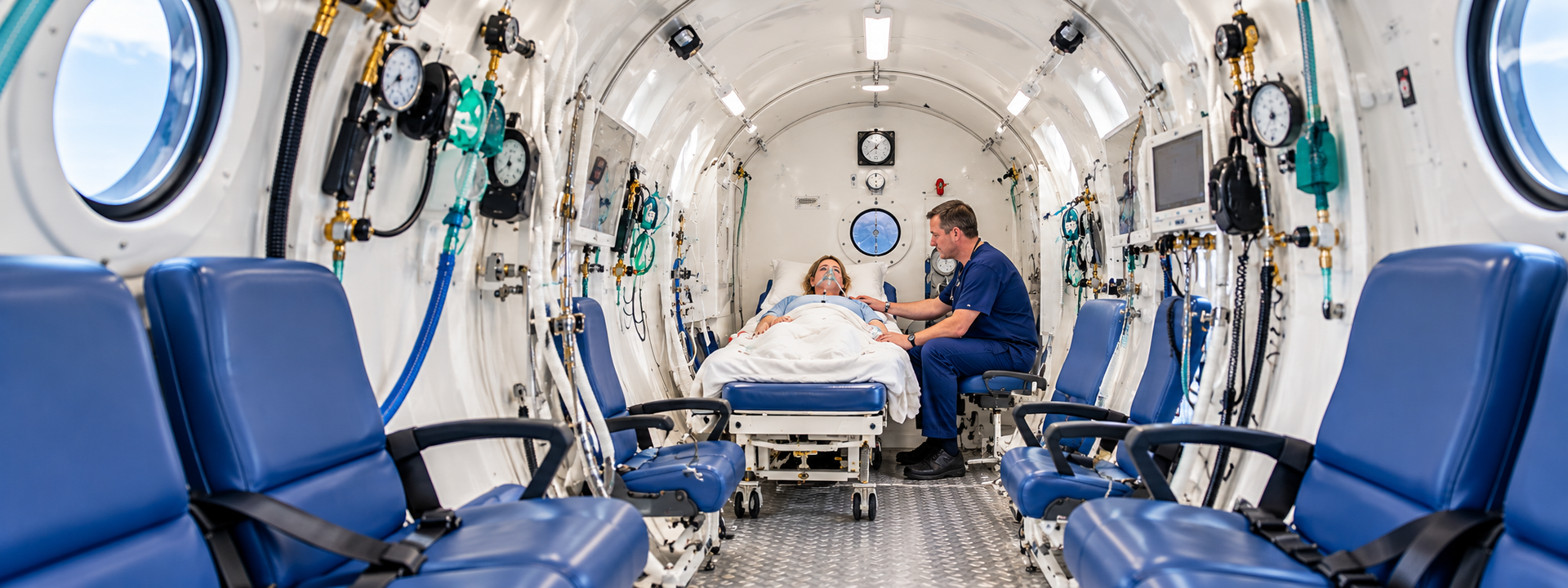
Patient receiving hyperbaric oxygen treatment for decompression sickness.
By Samuel Bachar • October 26, 2025
Why I require 24 hours between the last dive and the flight home, and the DCS risk factors divers actually control: profile, exertion, temperature, and nitrox.
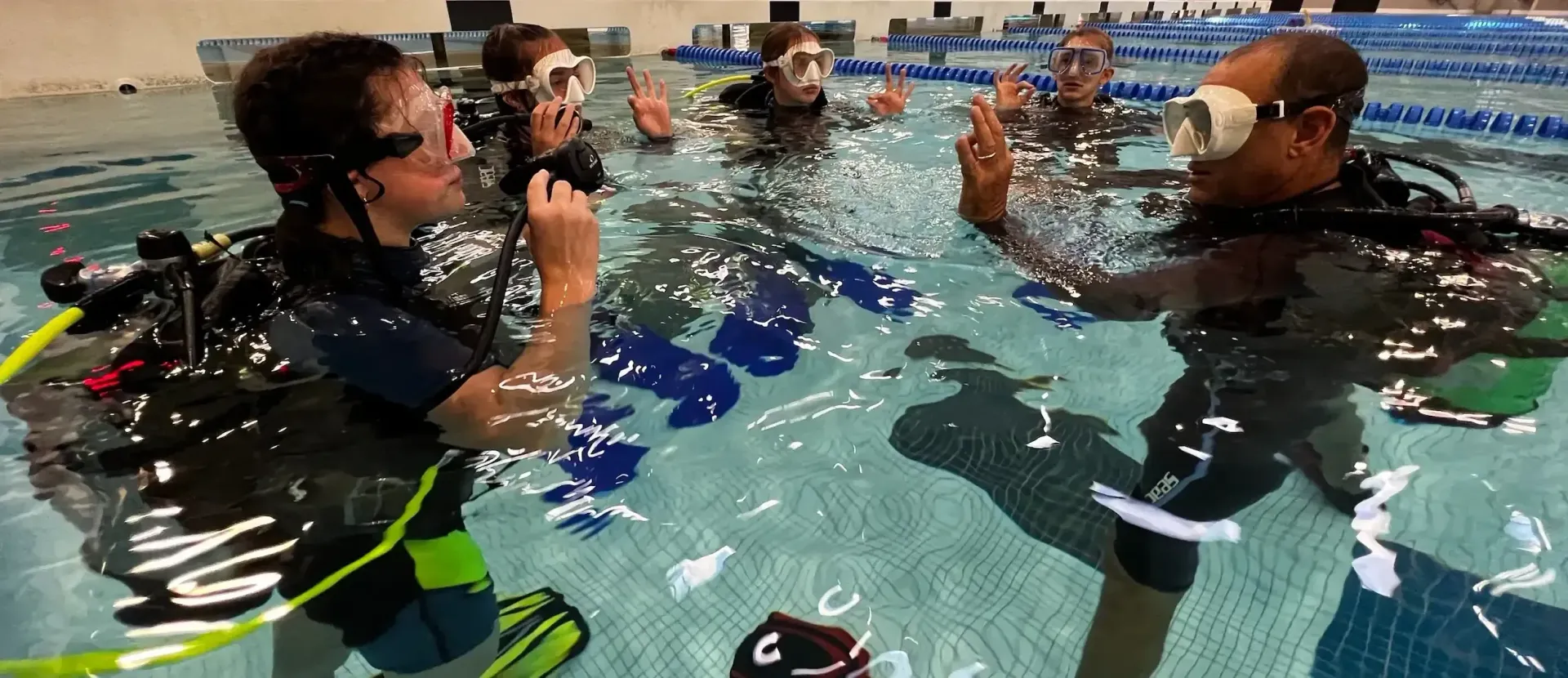
People in swim gear practicing underwater breathing in a pool with a trainer
By Samuel Bachar • September 9, 2025
Scuba diving is an immensely enjoyable avocation that combines adventure, knowledge, skills, and self-discipline. Humans were not meant to spend much time underwater, but thanks to technology, we are able to enjoy the mysteries of the last frontier on this planet.
Rows of hanging clothes in a shop, with garments displayed from floor to ceiling.
By Samuel Bachar • September 9, 2025
Embarking on a scuba diving adventure is a thrilling experience. Whether you're a seasoned diver or a beginner eager to explore underwater, the importance of properly maintained and reliable scuba diving equipment cannot be overstated.
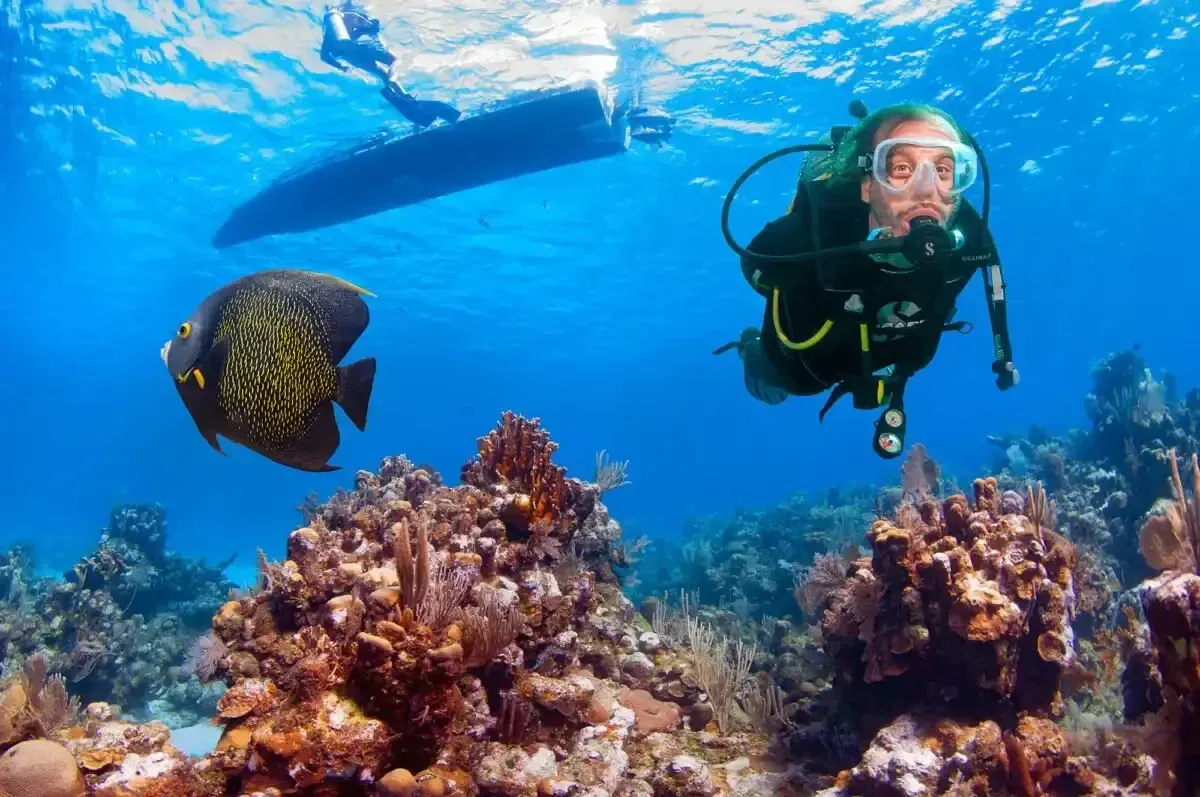
Scuba diver and sea turtle swimming above a colorful coral reef in clear blue water
September 9, 2025
A dive travel story following a week at Mayan Princess Beach & Dive Resort in Roatán, Honduras — exploring Caribbean reef sharks, wrecks, Garifuna culture, and local food.
A lush green island rising from bright blue ocean under a partly cloudy sky
September 9, 2025
Explore Saba's world-class diving, charming village life, and dramatic volcanic landscapes in this firsthand travel account from the "Unspoiled Queen" of the Caribbean.
Camera rig with dual LED lights on a wooden table, outdoors with a blurred beach background
September 9, 2025
A dive center owner's personal review of the Divevolk SeaTouch 4 Max underwater phone housing, comparing it to competitors and sharing pro tips for underwater phone photography.

Show More