


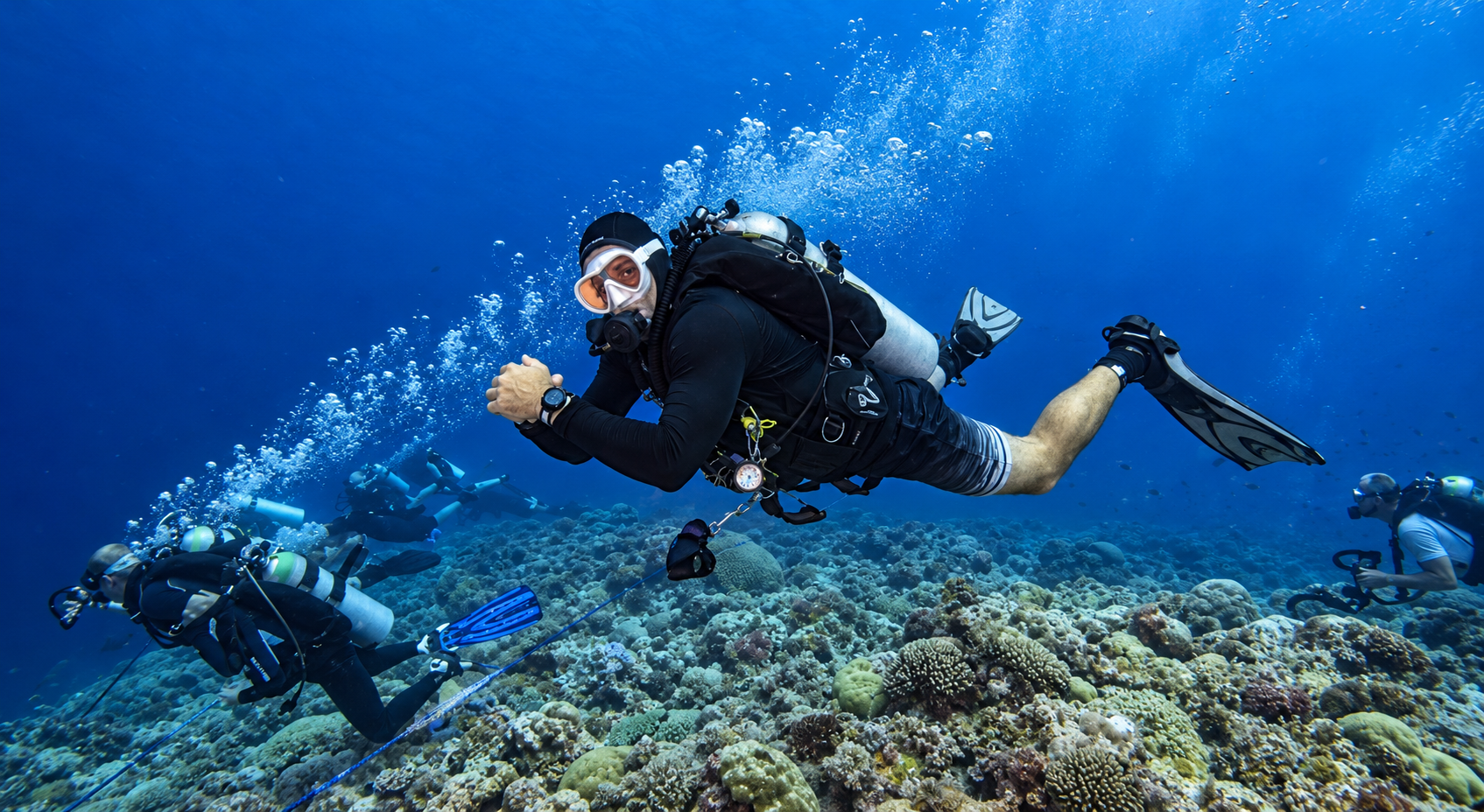
Coral Reef Ecosystems

Samuel Bachar • October 27, 2026

Share this article

Coral reefs cover less than one percent of the ocean floor. They support roughly 25 percent of all marine species. The reef you dive is not a backdrop. It is one of the most intricate living systems on the planet, and once you understand how it works, you see everything differently underwater.

What a Coral Reef Actually Is?

Most divers are surprised to learn that coral is an animal. Each individual coral polyp is a tiny creature, related to jellyfish and sea anemones. It builds a hard calcium carbonate skeleton around itself, and over decades and centuries, millions of these skeletons stacked on top of one another form the structure we call a reef.


Inside each polyp live zooxanthellae, microscopic algae that photosynthesize and provide the coral with up to 90 percent of its energy. This partnership powers the reef. When water temperatures rise too high, or conditions change significantly, the coral expels its zooxanthellae. The skeleton turns white. This is coral bleaching. The coral isn't dead yet, but it is under serious stress, and without its algal partner, it cannot sustain itself.


This relationship, called mutualistic symbiosis, underpins everything else on the reef. Understand it, and you understand why reef health is so directly tied to water temperature, clarity, and chemistry.

The coral polyp is smaller than your thumbnail. The reef it builds can be larger than a

continent. The Great Barrier Reef stretches over 1,400 miles and is visible from space.

The Zones of a Coral Reef

A coral reef is not a single environment. It is a series of distinct zones, each with its own conditions, species, and character. Learning to recognize the zones changes how you plan a dive and what you look for when you get in the water.

The Fore Reef

The seaward face of the reef begins at the reef crest and drops into open water. This is the high-energy zone. Waves break here. Currents run hard. The coral growth is dense and dominated by species adapted to surge and flow, including branching staghorn, elkhorn, and massive brain corals. Fish life is richest here. Predators patrol the edges. If you are diving a wall, you are diving the fore reef.

The Reef Crest

The shallowest point of the reef, where the fore reef meets the flat. It takes the full force of wave action and is often exposed at low tide. The species here are tough, encrusting corals built low and flat to resist the surge. It is a harsh environment, but it is also the barrier that shelters everything behind it.

The Reef Flat

The broad, shallow platform behind the crest. Protected from heavy wave action, the flat often supports seagrass beds, rubble fields, and patchy coral. It is productive hunting ground for species like sea turtles and eagle rays. Visibility is often lower here, but the density of invertebrate life, small fish, and hidden creatures makes it a rewarding zone for patient divers.

The Lagoon

On atoll and barrier reef systems, the lagoon sits behind the flat, enclosed by the reef structure. It is calmer, often shallower, and frequently holds coral heads rising from a sandy bottom. Nurse sharks, rays, and juvenile fish use the lagoon as a nursery. Night dives in lagoons are often spectacular.

Types of Coral Reef

Charles Darwin was the first to describe the three major reef types, and his classification still holds. Understanding which type you are diving tells you something about the geology beneath it and how the reef came to be shaped the way it is.

Fringing Reefs

The most common type. Fringing reefs grow directly from the shoreline, extending outward with no lagoon between the reef and land. Most Caribbean shore diving takes place on fringing reefs, including sites along Bonaire's coastline and the reefs off Dominica's southwest coast.

Barrier Reefs

Separated from shore by a lagoon. The Great Barrier Reef is the textbook example. Barrier reefs form as islands slowly subside and the fringing reef grows upward, leaving a water-filled gap between the structure and the land. The lagoon side and the ocean side can feel like completely different dives.

Atolls

A ring of reef enclosing a central lagoon, with no island at the center. Atolls form when a volcanic island sinks completely beneath the surface and the reef that once fringed it continues to grow upward. Atoll systems dominate the Maldives, Micronesia, and parts of the Indo-Pacific. Diving the outer walls of an atoll, where the reef drops thousands of feet into open ocean, is one of the defining experiences in diving.

The Species Web

A healthy reef is not a collection of individual animals sharing the same space. It is a web of dependencies, with each species playing a role that affects the others.


Parrotfish graze on algae and, in the process, bite off chunks of coral skeleton, producing the fine white sand that covers Caribbean beaches. A reef without parrotfish is a reef being overtaken by algae. Surgeonfish do the same work. Together, they are the reef's lawn-maintenance crew.


Cleaner wrasse and cleaner shrimp run stations on the reef where larger fish, including predators that would normally eat them, line up to have parasites removed. Larger fish signal their intent by holding still and slightly changing color. The arrangement is one of the most elegant examples of mutualism in nature.


Apex predators, most visibly sharks, regulate the populations below them. Remove the sharks, and mid-level predators proliferate, grazers decline, and the algae wins. The health of a reef is often most accurately read by the presence or absence of its top predators.

When you see a large grouper holding still near a coral head, it may be visiting a cleaning

station. Watch it for a minute before you move on. The interaction, if one comes, is worth

the patience.

What Healthy Looks Like

After enough dives across enough destinations, you develop a feel for reef condition. A few things to look for:


Coral cover. On a healthy reef, living coral dominates the hard substrate. Dead coral covered in algae signals stress, whether from bleaching, disease, physical damage, or poor water quality. You want to see color and texture on the structure, not brown fuzz.


Fish diversity. A reef with many species at many levels of the water column is a functioning reef. A reef with only a few species, or only small fish, usually signals that predators have been removed or that the ecosystem is under pressure.


Invertebrate density. Sea urchins, feather stars, sponges, nudibranchs. A rich invertebrate community indicates good water quality and a stable substrate. Urchin populations in particular are a useful indicator. Too few and the algae take over. Too many and they over-graze the reef.


Visibility and water clarity. Runoff, sedimentation, and poor water quality reduce visibility and stress coral. Clear water is not just a diving preference. It is a sign that the water chemistry and land management around the reef are in reasonable shape.

Why Marine Reserves Matter

A marine protected area gives a reef system time. Time for fish populations to recover, for coral to grow without anchor damage or collection pressure, for the species web to stabilize. The research is consistent: well-enforced marine reserves measurably improve fish biomass, coral cover, and species diversity, often within a decade of establishment.


A reserve cannot fix the water. Rising temperatures, ocean acidification, and runoff from land affect every reef, regardless of its protected status. But a reserve removes the direct human pressures that compound those stresses, and that matters.


The Soufriere-Scotts Head Marine Reserve in Dominica is one of the better examples in the Caribbean. It protects a stretch of coastline shaped by volcanic geology, with dive sites that include wall dives, pinnacles, and the geothermal vents at Champagne Reef. The reserve has been in place long enough that the fish populations reflect it. When you dive there, you are diving a reef system that has had some room to breathe.

Recent Posts

Scuba diver in a backplate and wing underwater, at the Blue Corner in Palau
By Samuel Bachar • October 24, 2026
Why I sold a brand-new BCD after one dive in Cozumel: what a backplate and wing change about trim, where it came from, and the honest trade-offs.
Scuba diver swimming over a sunken airplane wreck underwater
By Samuel Bachar • September 28, 2026
Ten nights diving Palau with my brother for his 60th: Blue Corner, Blue Holes, German Channel, the Iro Maru, and a reunion 20 years in the making.
Patient receiving hyperbaric oxygen treatment for decompression sickness.
By Samuel Bachar • October 26, 2025
Why I require 24 hours between the last dive and the flight home, and the DCS risk factors divers actually control: profile, exertion, temperature, and nitrox.
People in swim gear practicing underwater breathing in a pool with a trainer
By Samuel Bachar • September 9, 2025
Scuba diving is an immensely enjoyable avocation that combines adventure, knowledge, skills, and self-discipline. Humans were not meant to spend much time underwater, but thanks to technology, we are able to enjoy the mysteries of the last frontier on this planet.

Rows of hanging clothes in a shop, with garments displayed from floor to ceiling.
By Samuel Bachar • September 9, 2025
Embarking on a scuba diving adventure is a thrilling experience. Whether you're a seasoned diver or a beginner eager to explore underwater, the importance of properly maintained and reliable scuba diving equipment cannot be overstated.
Scuba diver and sea turtle swimming above a colorful coral reef in clear blue water
September 9, 2025
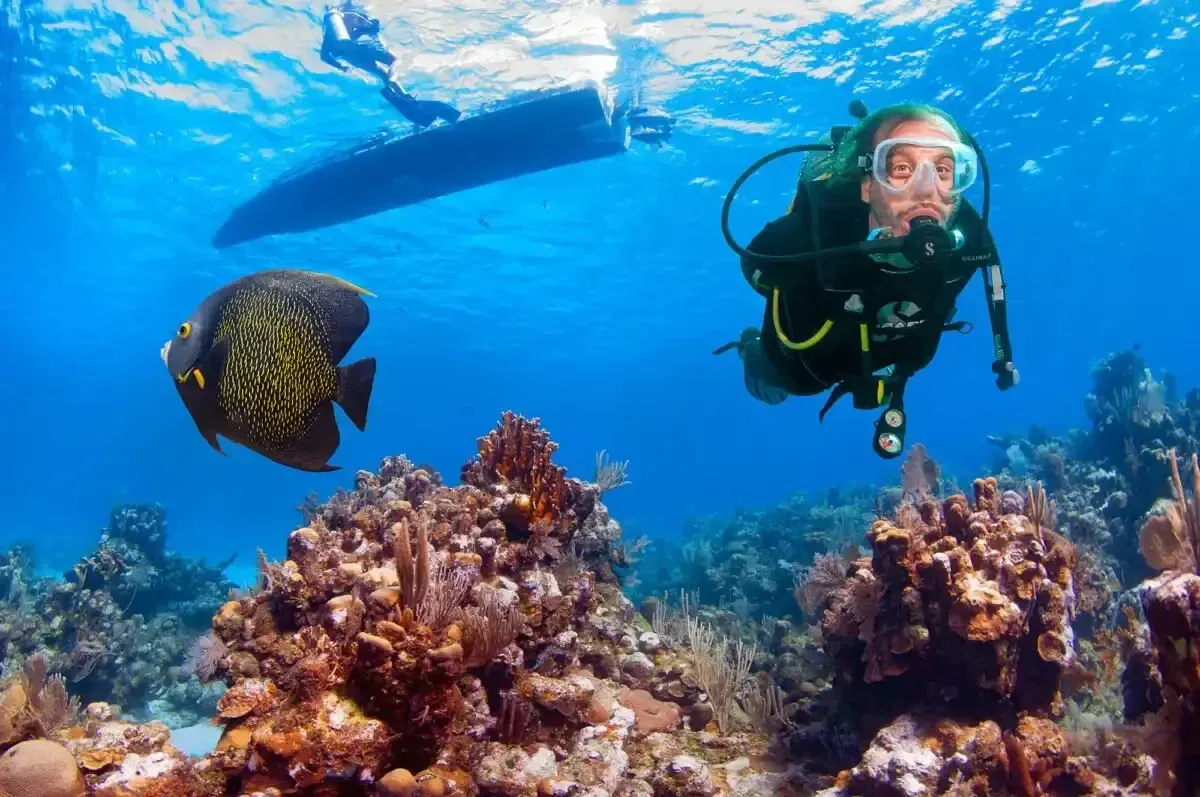
A dive travel story following a week at Mayan Princess Beach & Dive Resort in Roatán, Honduras — exploring Caribbean reef sharks, wrecks, Garifuna culture, and local food.
A lush green island rising from bright blue ocean under a partly cloudy sky
September 9, 2025
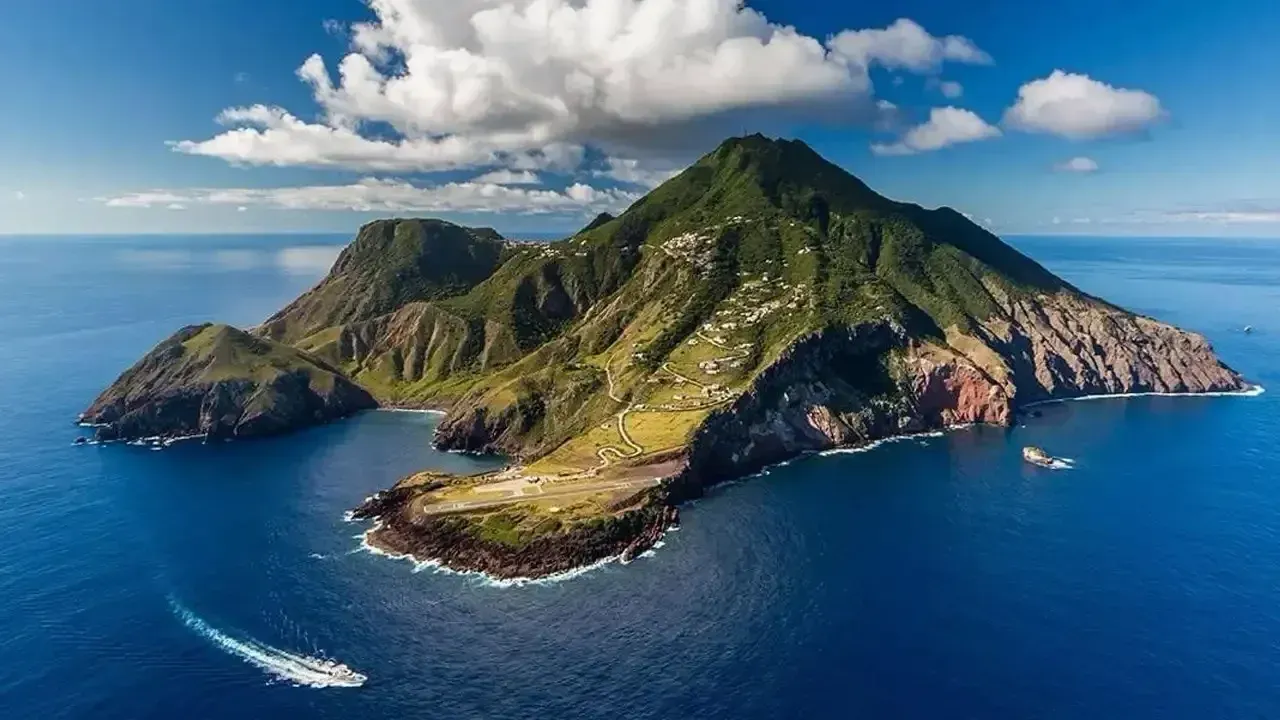
Explore Saba's world-class diving, charming village life, and dramatic volcanic landscapes in this firsthand travel account from the "Unspoiled Queen" of the Caribbean.
Scuba diver photographing a colorful coral reef underwater
September 9, 2025
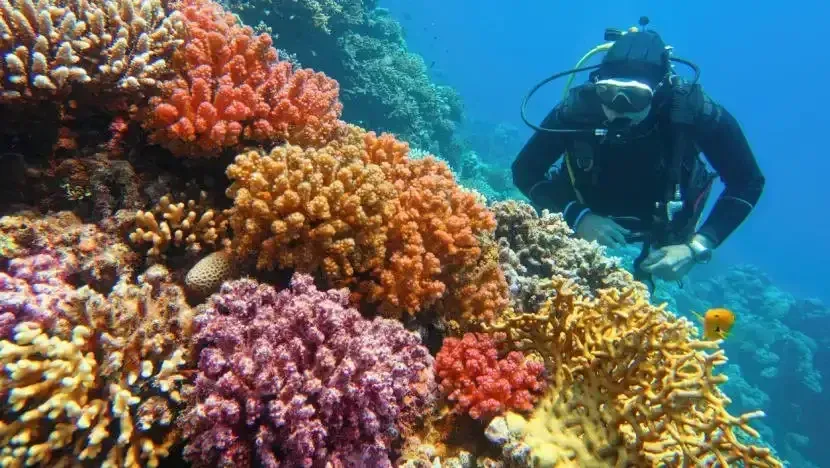
Explore how mindful diving practices and coral reef restoration efforts work together to protect our oceans, and discover how you as a diver can make a real difference.
Camera rig with dual LED lights on a wooden table, outdoors with a blurred beach background
September 9, 2025
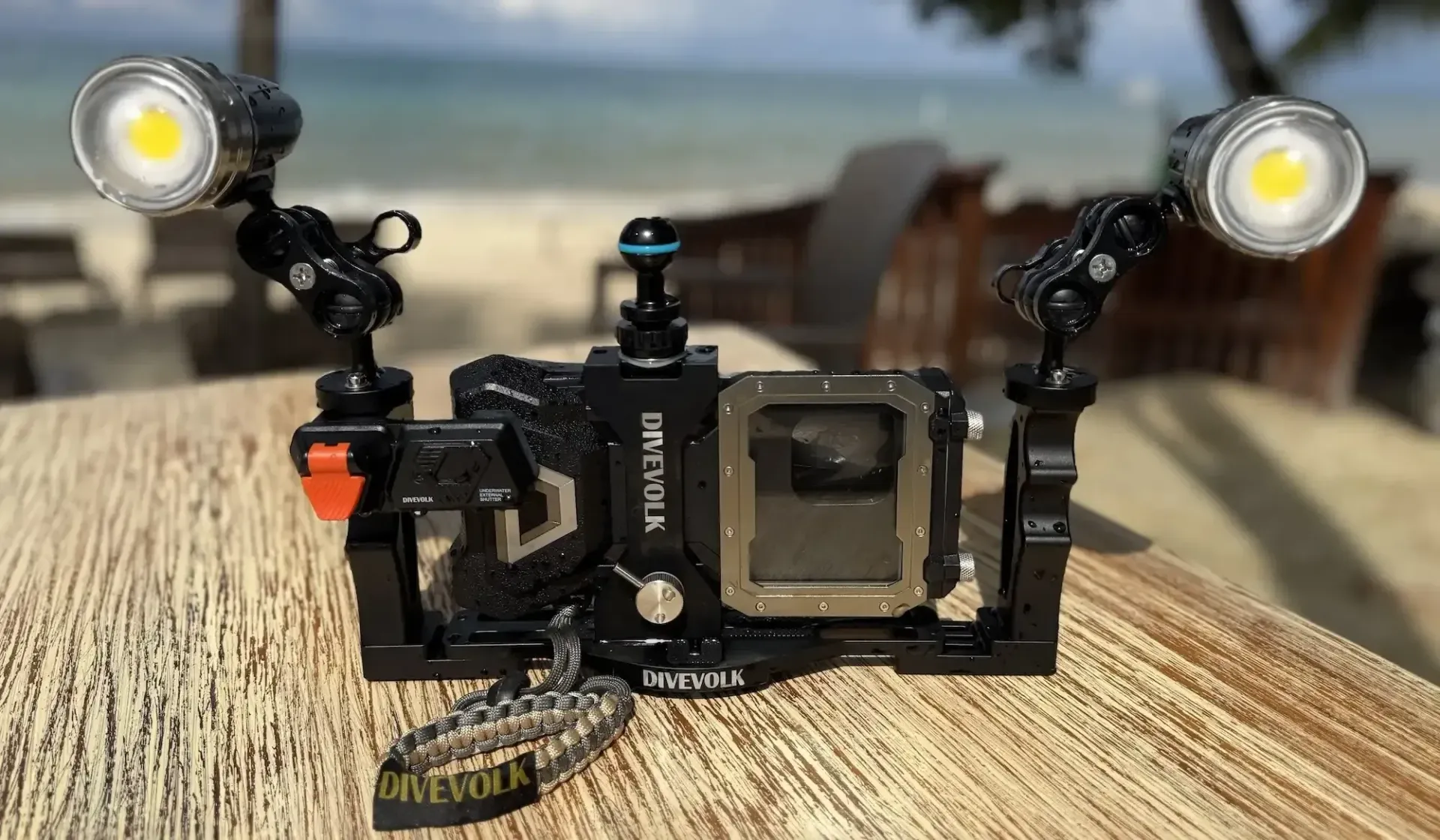
A dive center owner's personal review of the Divevolk SeaTouch 4 Max underwater phone housing, comparing it to competitors and sharing pro tips for underwater phone photography.
Two scuba divers underwater, one in foreground with mask and orange fins, holding a guide line
By Samuel Bachar • September 9, 2025
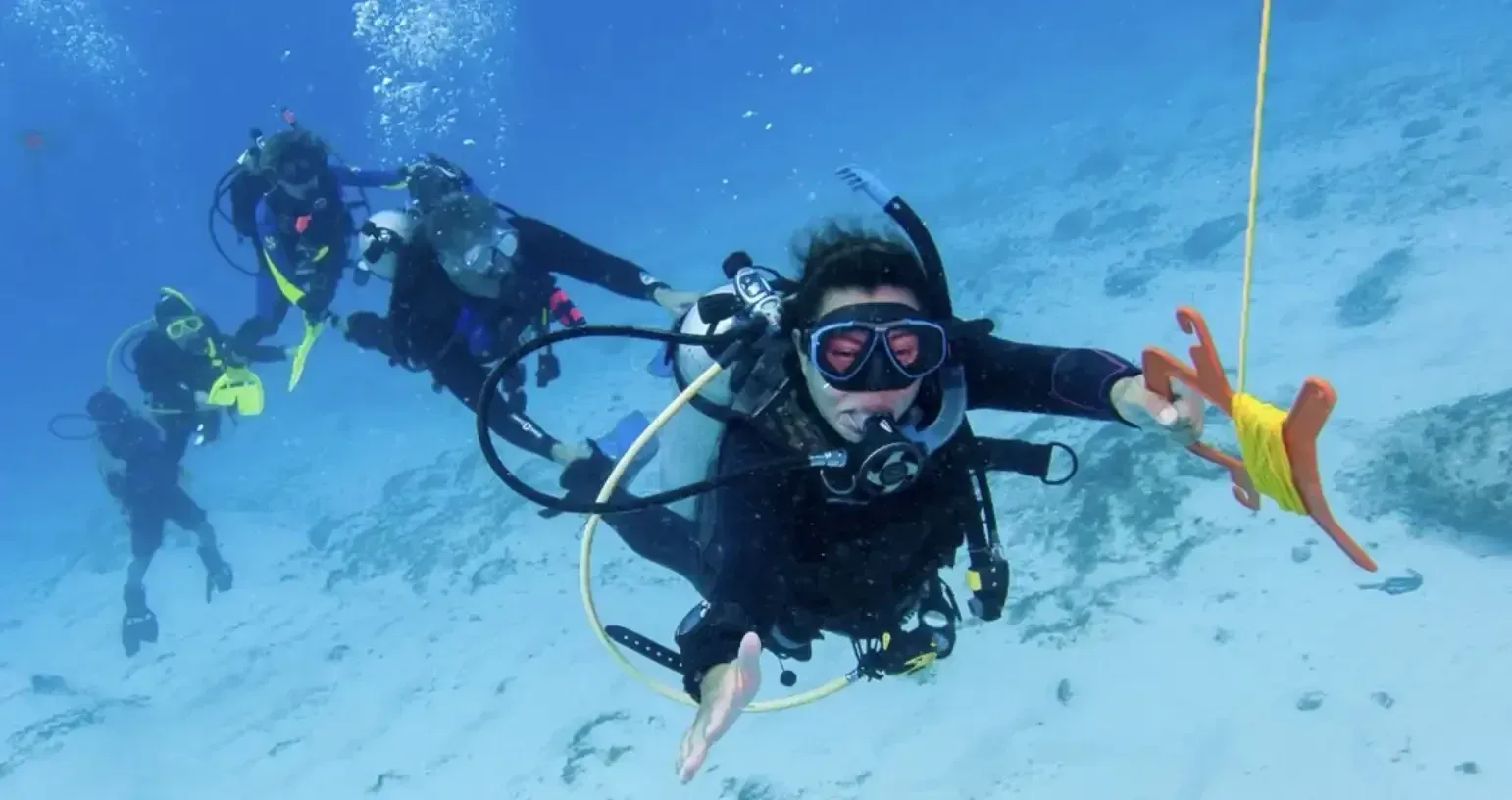
Coastal ocean currents are fascinating phenomena that have a significant impact on marine environments and various aquatic activities, including diving. Understanding the diverse types of currents, the forces shaping their existence, their implications for divers, and the strategies for safe interaction are paramount for an enriching and secure diving experience.

Show More